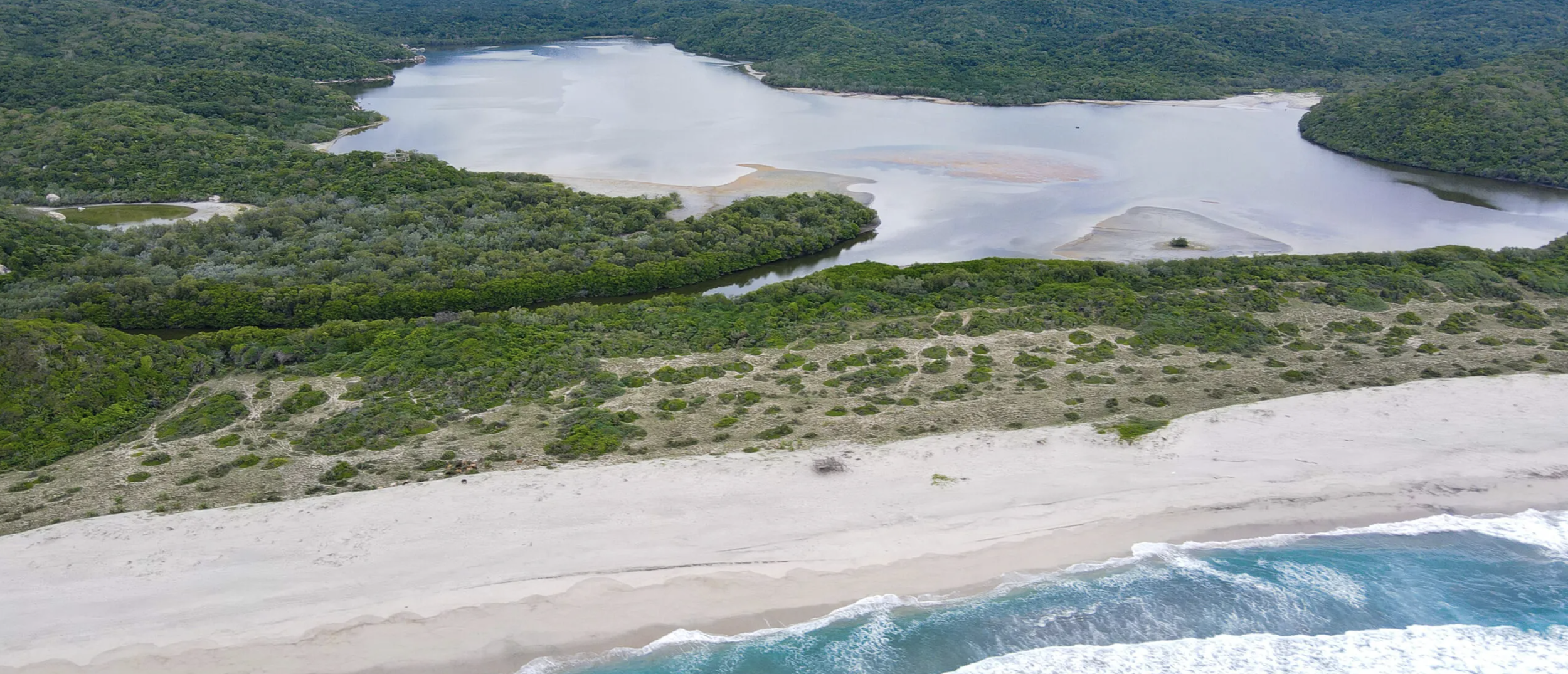
Community Led Projects
Together, these communities represent some of the most powerful examples of grassroots conservation along the Oaxacan coast. They demonstrate how environmental protection and sustainable development can coexist when local communities are placed at the center of conservation efforts.
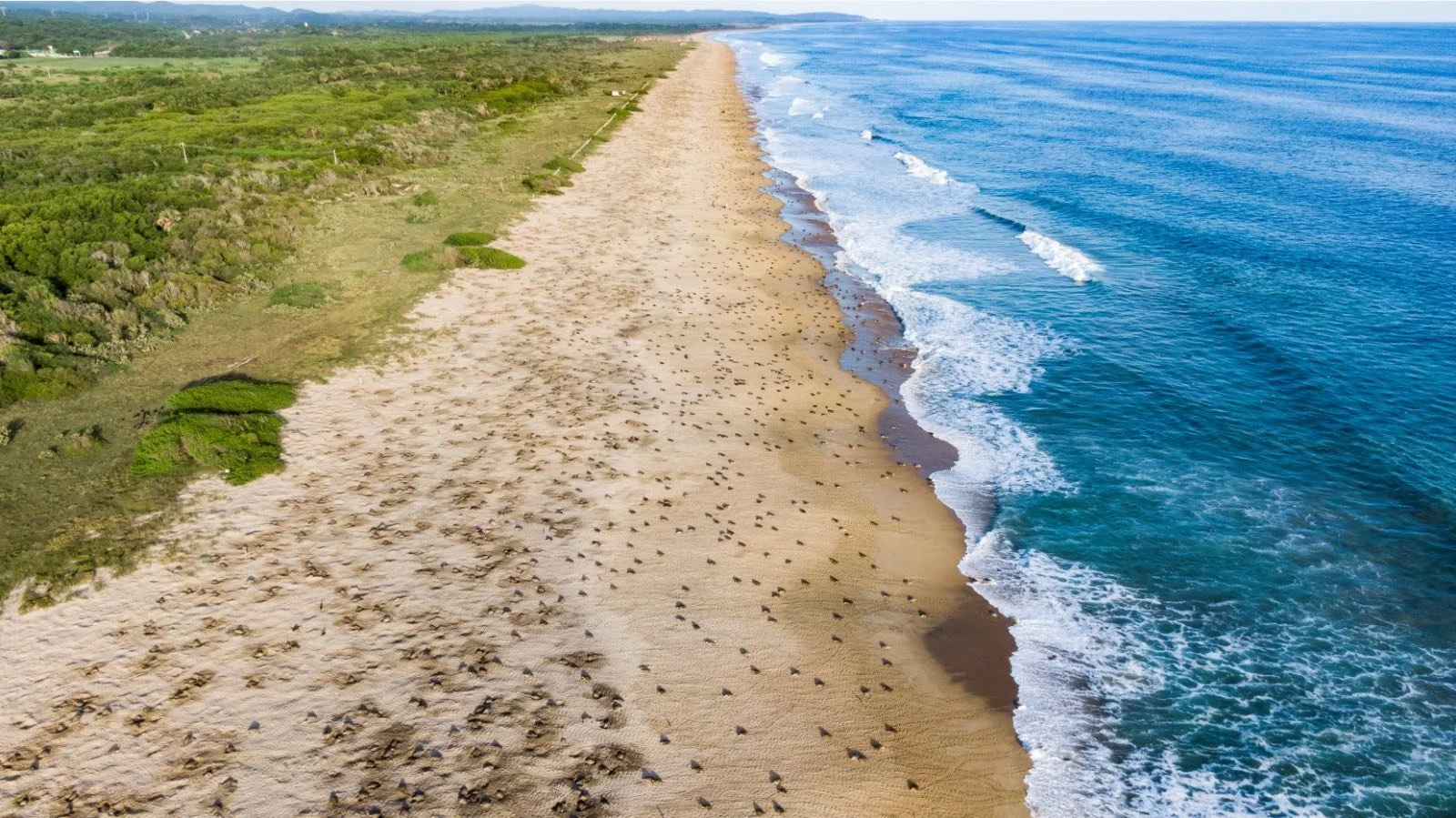
Escobilla Beach is home to the largest known mass nesting event of sea turtles anywhere in the world. During peak arribadas, as many as one million Olive Ridley turtles come ashore within a matter of days to lay their eggs, making Escobilla one of the most important sea turtle sanctuaries on the planet.
For more than two decades, members of the Escobilla community have dedicated themselves to protecting these nesting beaches through nightly patrols, nest monitoring, hatchling protection, and environmental education. What was once a coastline heavily impacted by illegal egg extraction has become a powerful example of community-led conservation.
Today, local families, fishermen, and residents play a direct role in safeguarding one of the world’s most important sea turtle populations while also creating sustainable livelihoods through conservation and ecotourism. Their work protects millions of turtles each year and helps preserve the biodiversity of Oaxaca’s coastal ecosystems.
Cooperativa La Salina Escobilla: Escobilla Sea Turtle Sanctuary

Barra de la Cruz
Less than 20 miles from Morro Ayuta lies Barra de la Cruz, a pristine tropical coastline known for its world-class surf and exceptional biodiversity. It is the most important nesting beach in the Eastern Pacific for the critically endangered leatherback sea turtle.
Leatherbacks are the largest of all sea turtles, reaching nearly two meters in length and weighing up to half a ton. Despite their resilience, their populations have declined by nearly 90 percent in recent decades, making the protection of nesting beaches like Barra de la Cruz essential to their survival.
In 2024, Barra de la Cruz and neighboring Morro Ayuta were designated Natural Protected Areas through a collaborative effort between WILDCOAST, CONANP, local communities, and conservation partners. Today, the sanctuary is managed and monitored with support from the Centro Mexicano de la Tortuga (CMT).
Despite its protected status, Barra de la Cruz and surrounding ecosystems continue to face growing pressures from climate change, poaching, and development. Continued investment in community-led conservation is essential to safeguarding this globally important habitat.
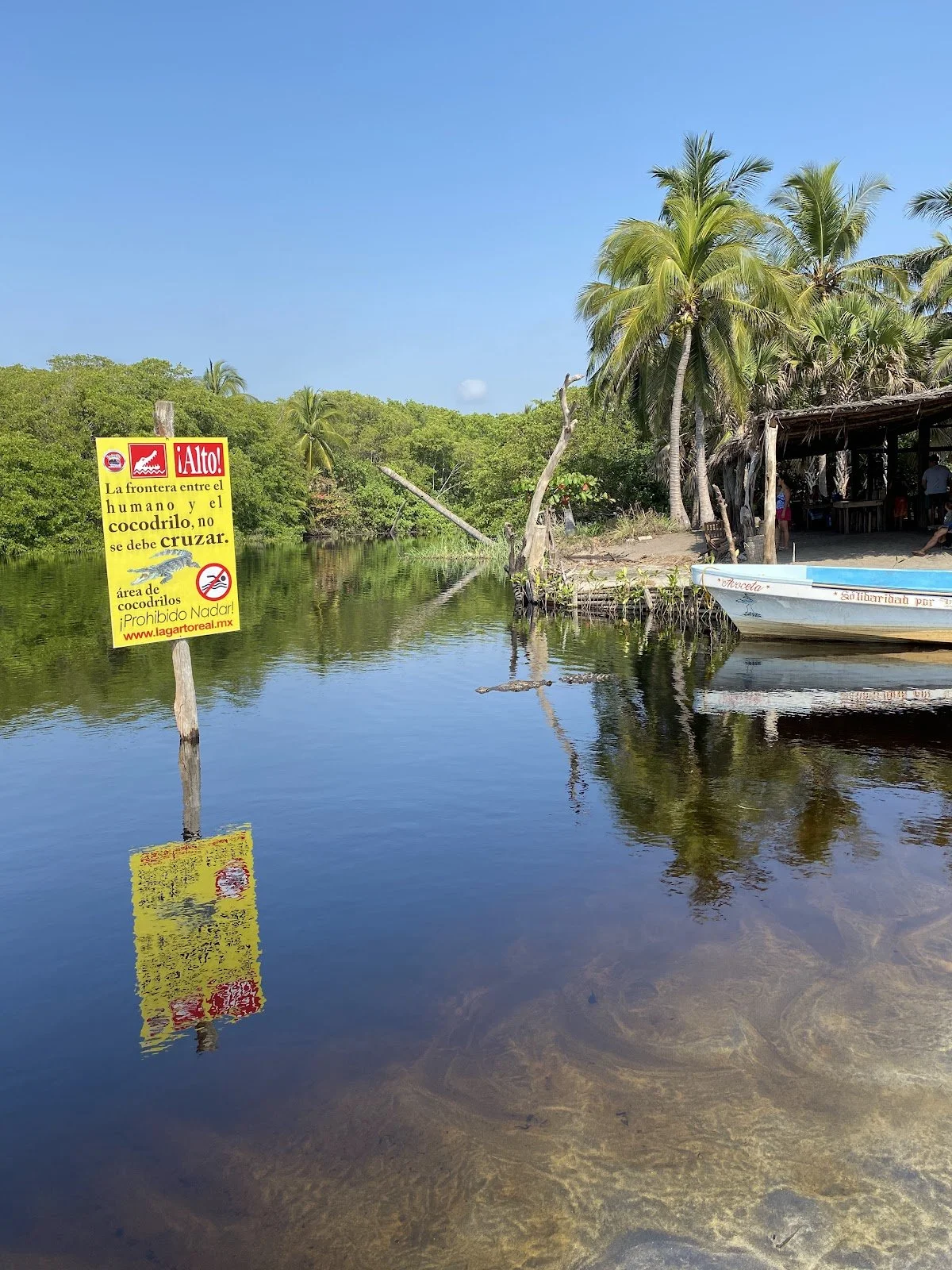
Playa Morro Ayuta is one of the most important sea turtle conservation sites in the Eastern Tropical Pacific and the second most important nesting beach in the world for Olive Ridley turtles. Each year, approximately one million turtles come ashore to nest, resulting in more than five million hatchlings. It is also one of only ten beaches worldwide where arribadas occur.
The beach is surrounded by mangroves, wetlands, and coastal lagoons that provide critical habitat for sea turtles, seabirds, fish, crocodiles, marine mammals, and countless other species. These ecosystems help prevent erosion, store carbon, and support the extraordinary biodiversity that makes Oaxaca Mexico’s most biodiverse state.
A team of 15 conservationists from the nearby community of Río Seco works year-round to protect nesting turtles while promoting ecotourism as a sustainable alternative to illegal egg extraction. Their efforts are complemented by Flor del Pacífico, a community-based ecotourism project featuring eco-cabins and a restaurant built from regional materials, demonstrating how conservation and responsible tourism can successfully coexist.
Despite its ecological significance, Morro Ayuta continues to face pressures from climate change, poaching, and increasing coastal development. Protecting this coastline is critical not only for Oaxaca, but for marine ecosystems throughout the Pacific Ocean, where millions of hatchlings disperse each year.
Flor del Pacífico : Morro Ayuta Conservation Cooperative
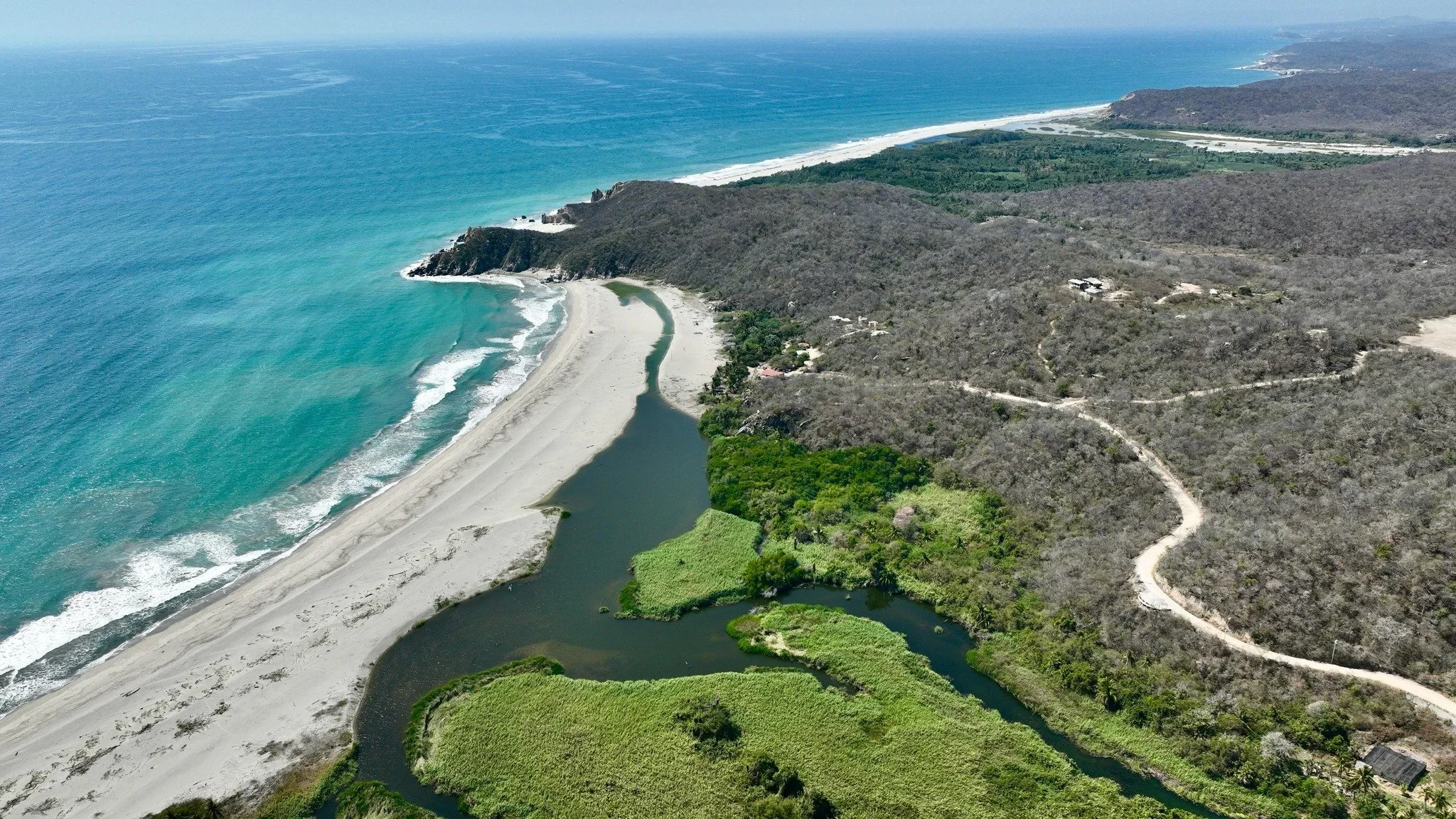
La Ventanilla is one of Mexico’s leading examples of community-based conservation. The cooperative is dedicated to the protection and reforestation of more than 70 hectares of mangroves while promoting sustainable ecotourism and environmental education.
Over time, community members transitioned from fishing and resource extraction toward conservation-focused livelihoods centered on protecting the lagoon ecosystem, crocodiles, deer populations, mangroves, and surrounding biodiversity.
Today, the cooperative provides local employment through ecotourism and conservation initiatives, creating economic opportunities rooted in environmental stewardship while ensuring the long-term protection of one of Oaxaca’s most valuable coastal ecosystems.