A Coastline at a Crossroads
The time to protect Oaxaca's coastline is now.
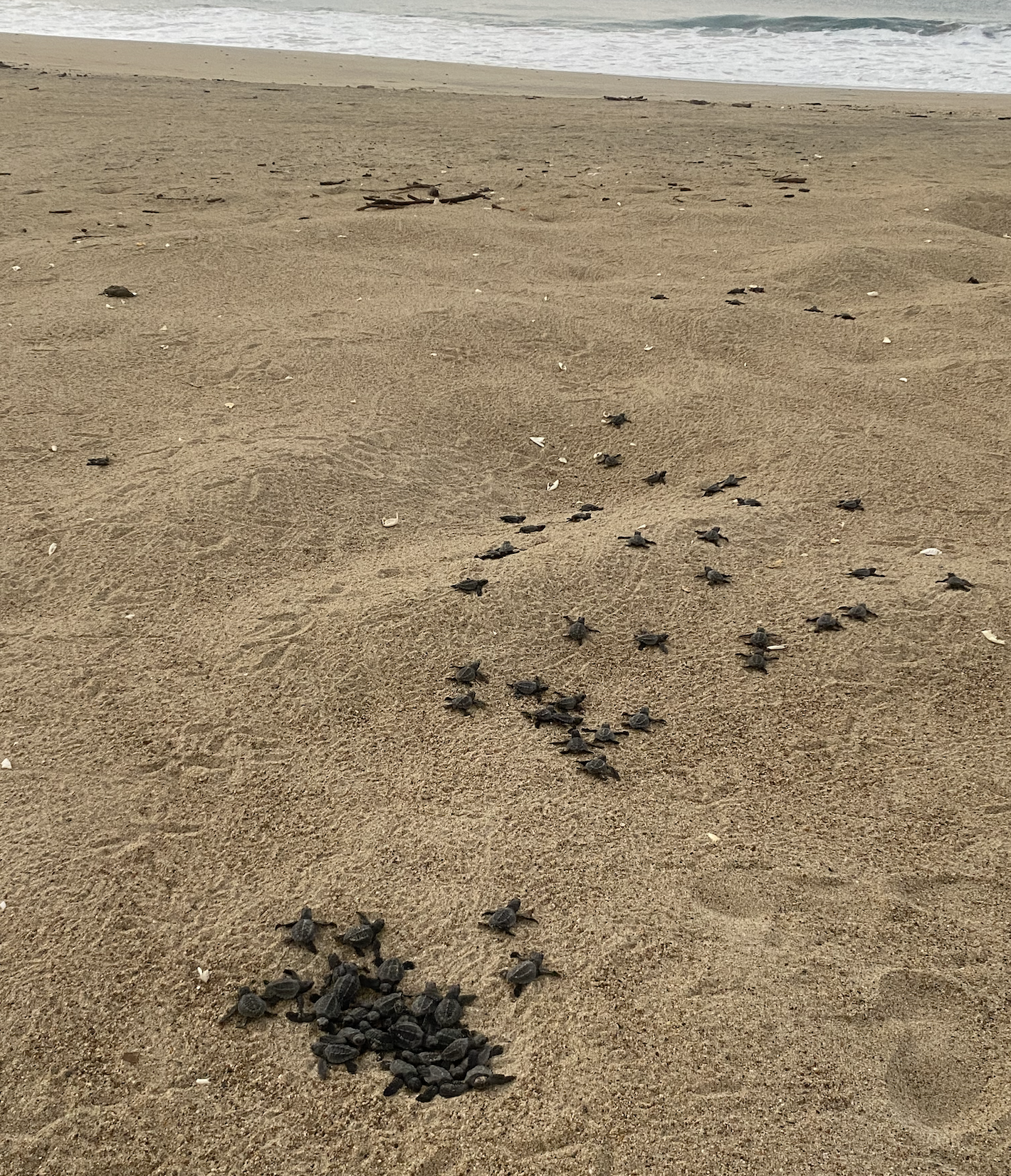
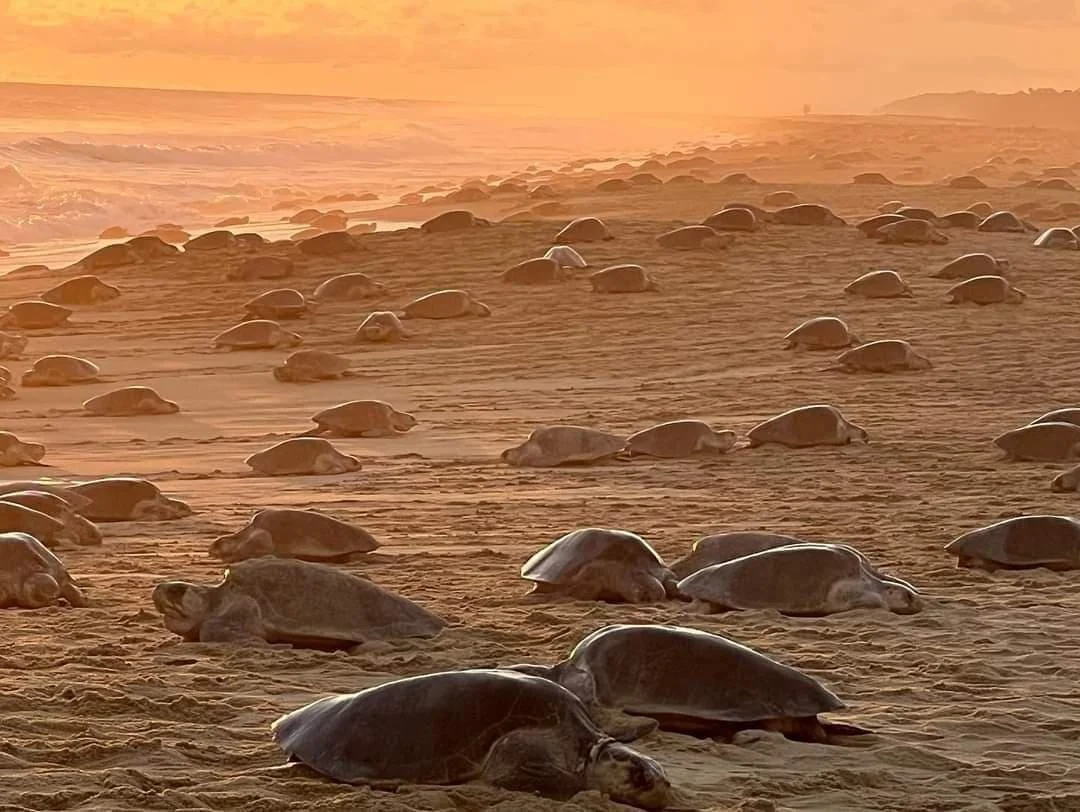
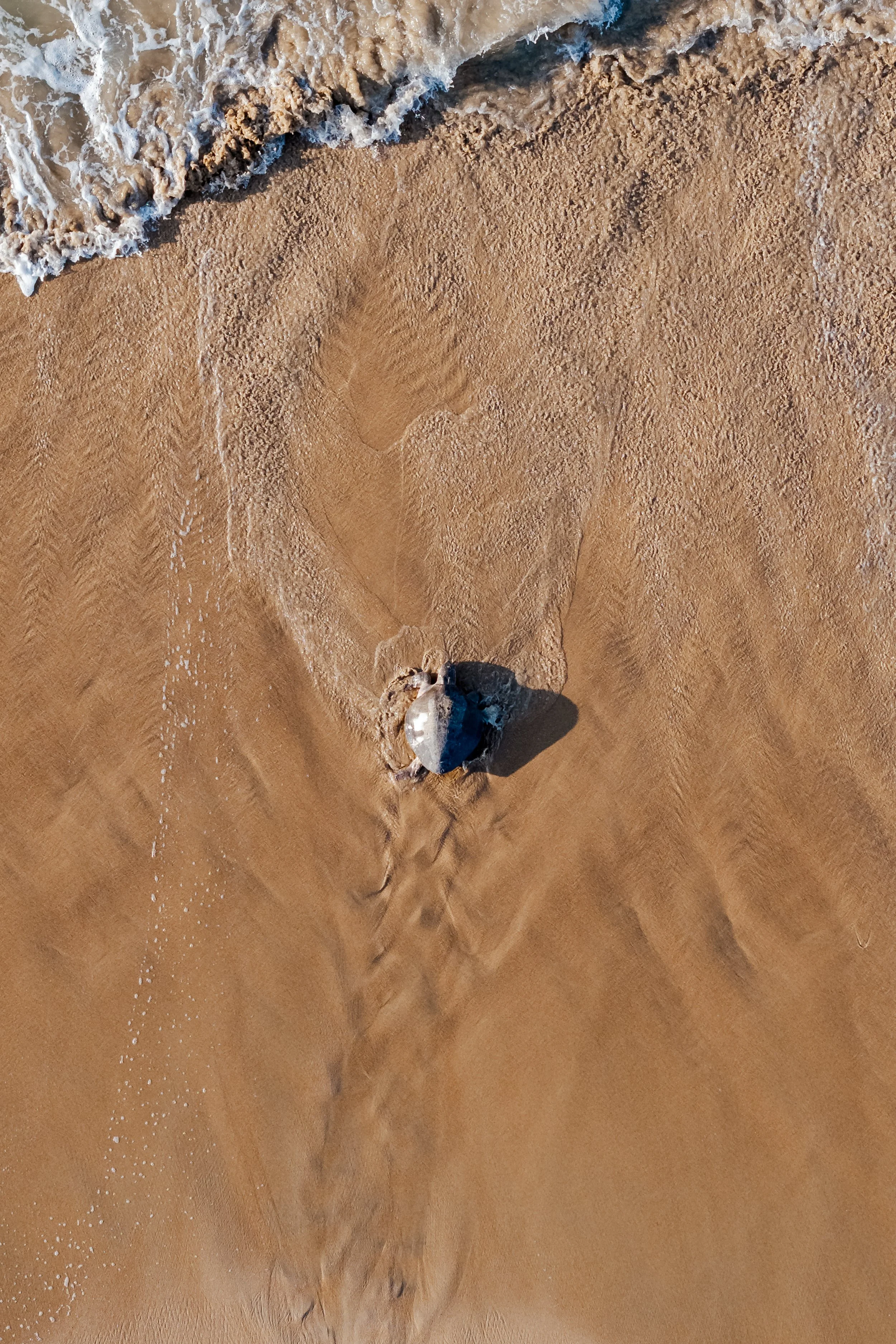
Once remote and largely untouched, beaches such as Mazunte, Morro Ayuta, La Escobilla, Barra de la Cruz, and La Ventanilla are rapidly gaining international attention as tourism, investment, and development expand along Mexico's Pacific coast. With this growing visibility comes mounting pressure on ecosystems that have remained intact for generations.
Unregulated development, habitat destruction, poaching, and climate-related threats now endanger some of the world's most important sea turtle nesting beaches. Meanwhile, the communities, conservation organizations, and institutions responsible for protecting these ecosystems face growing resource constraints.
Agencies such as PROFEPA and CONANP have intervened when development projects threaten protected habitats, but these interventions are often reactive and temporary. Lasting protection requires more: coordinated planning, consistent enforcement, and durable institutions capable of safeguarding these ecosystems for the long term.
This coastline is not only an ecological sanctuary of global significance — it is the foundation of local livelihoods increasingly tied to conservation and ecotourism. As development accelerates, policymakers, investors, and communities must recognize the value of what's at stake and act to balance economic growth with environmental responsibility.
The decisions made in the next few years will determine whether Oaxaca follows the pattern of overdevelopment seen elsewhere on Mexico's coasts, or becomes a model for community-led conservation.
The Reality on the Ground
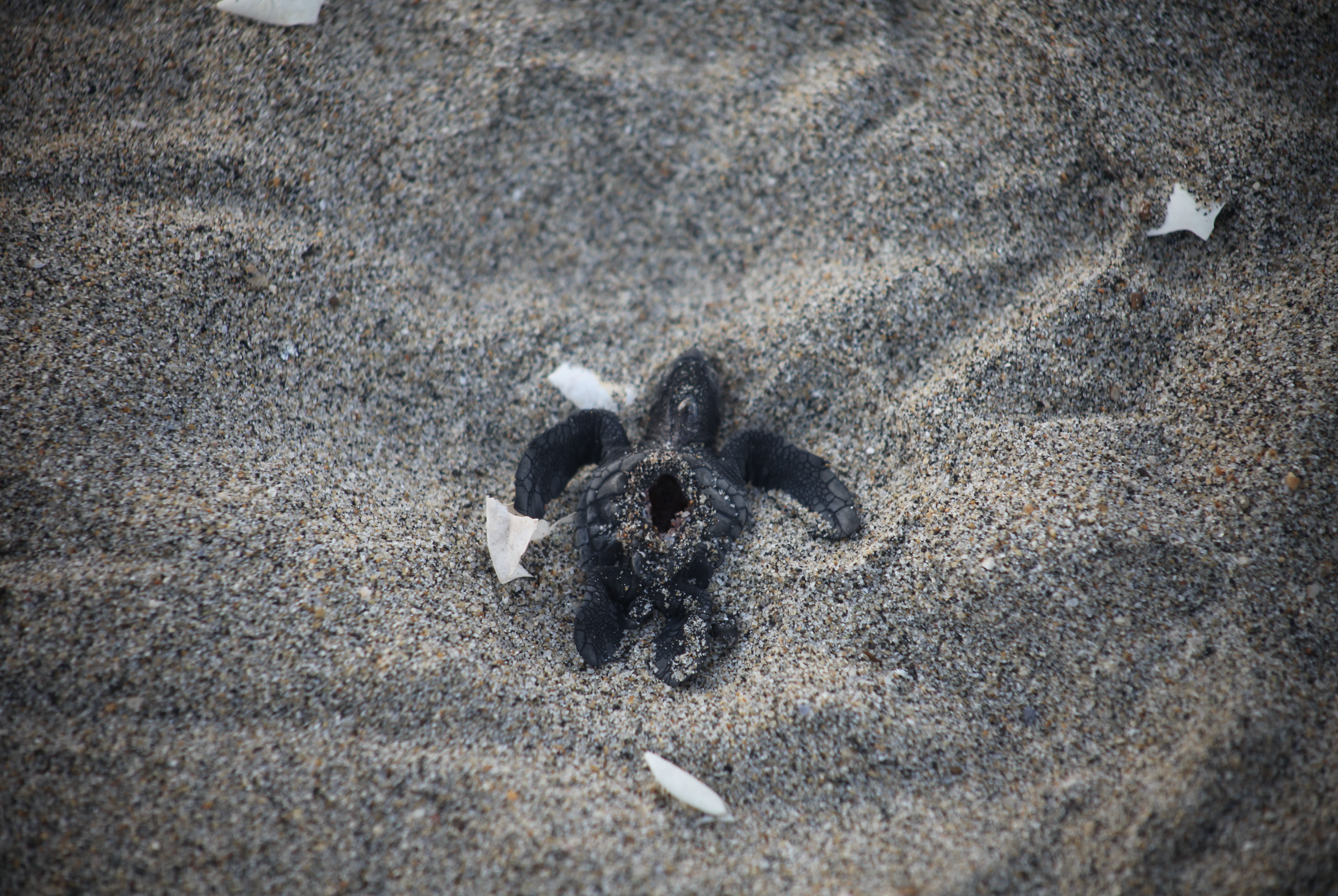
April 1, 2026 — La Escobilla: Poachers were caught on this protected nesting beach. Twenty years ago, marine patrols would have intercepted them before they reached the sand. Today, that patrol funding no longer exists.
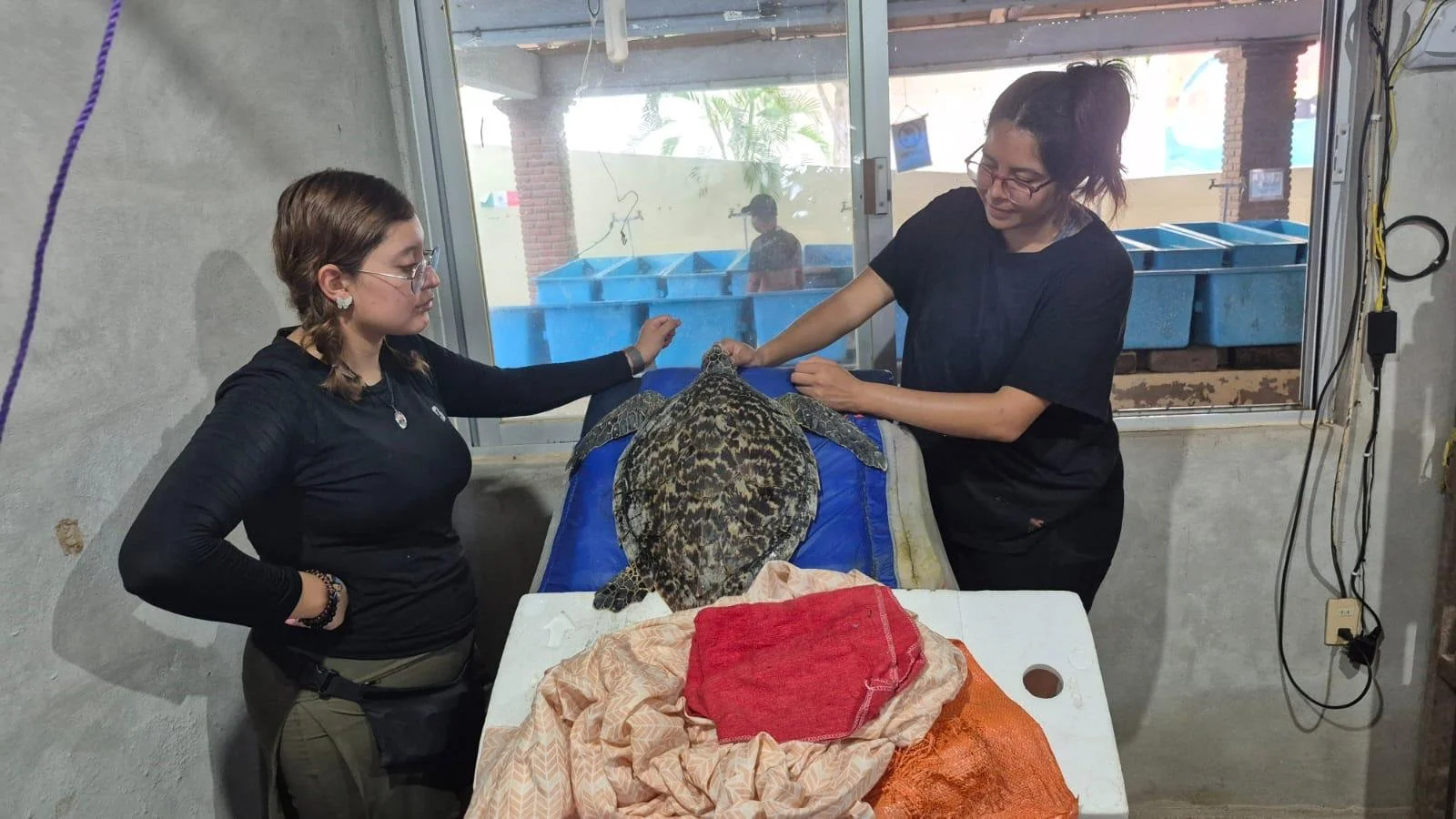
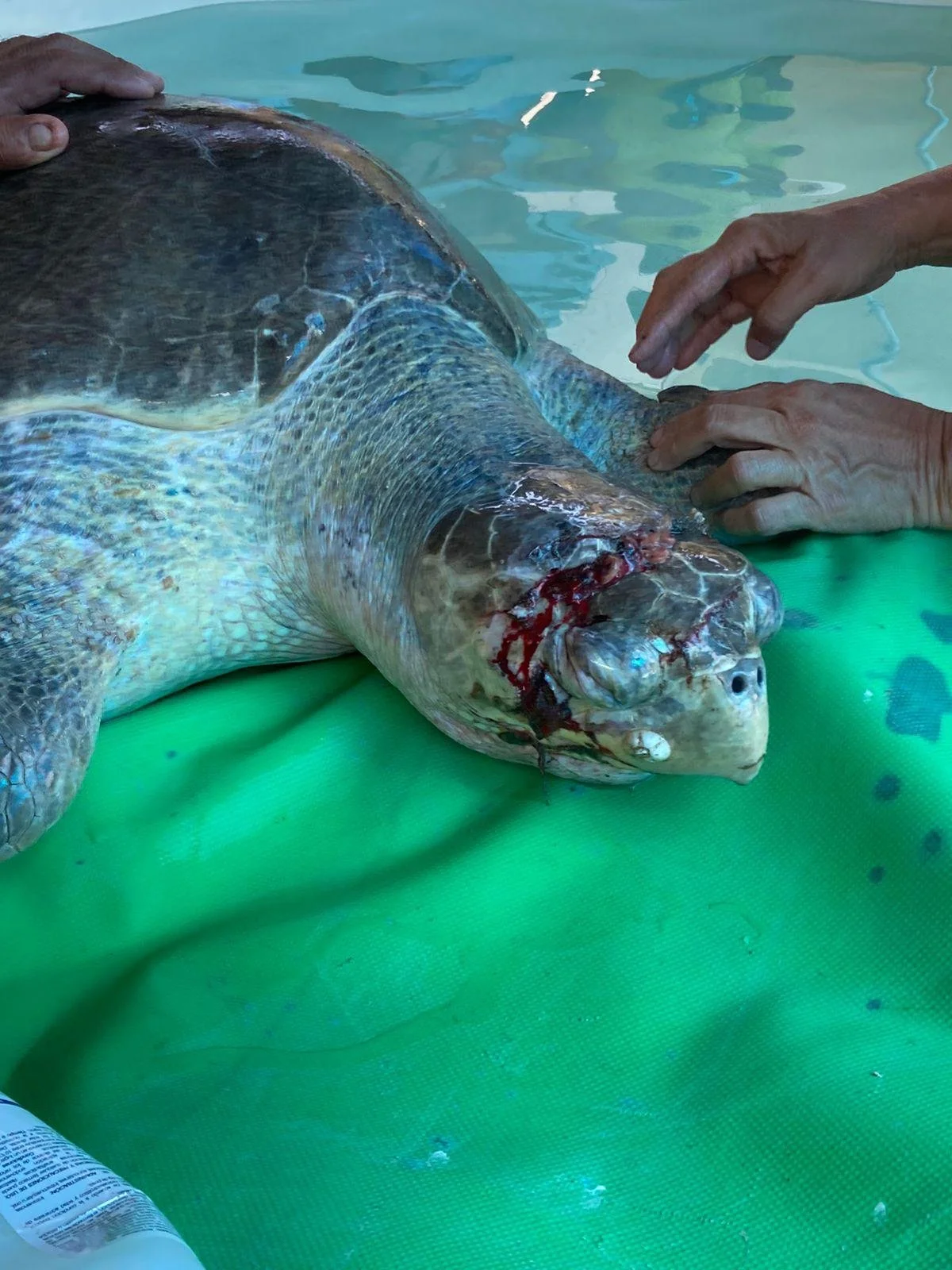
May 13, 2026 — Palmarito Beach, San Pedro Mixtepec: A black sea turtle was found gravely injured after being attacked with a machete by individuals attempting to harvest it for meat. Despite emergency care from the Mexican Turtle Center (CMT), the turtle's injuries proved fatal. We share this account because incidents like this continue on our beaches, and the community deserves to know.
Protecting these beaches means safeguarding biodiversity, preserving irreplaceable natural heritage, and ensuring that future generations inherit thriving ecosystems — not fragmented, exploited coastlines. That takes more than beach protection alone. It requires institutions capable of rescuing wildlife, educating the next generation, supporting scientific research, and responding to emerging threats.
One of the most important of these institutions, the Mexican Turtle Center, is now facing a crisis of its own.
Why It Matters
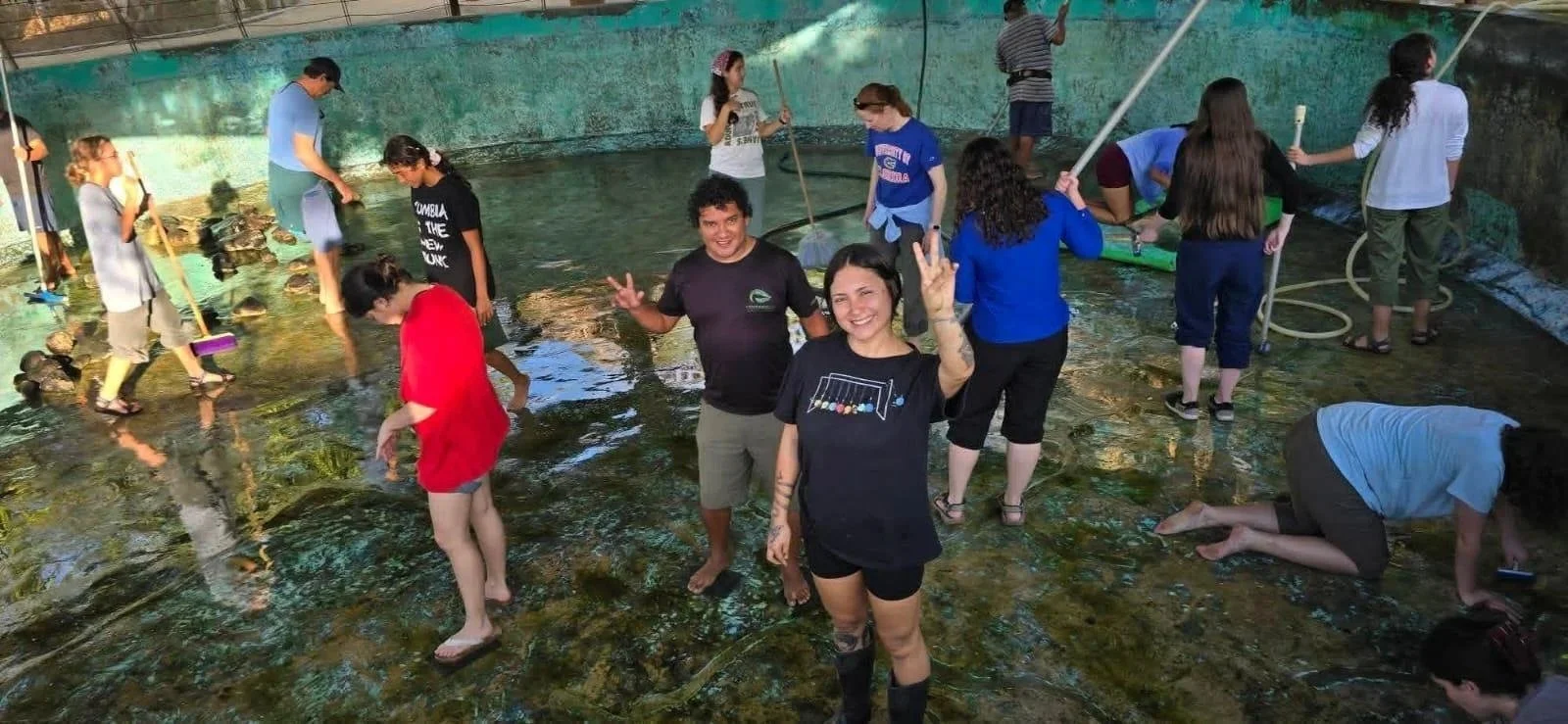
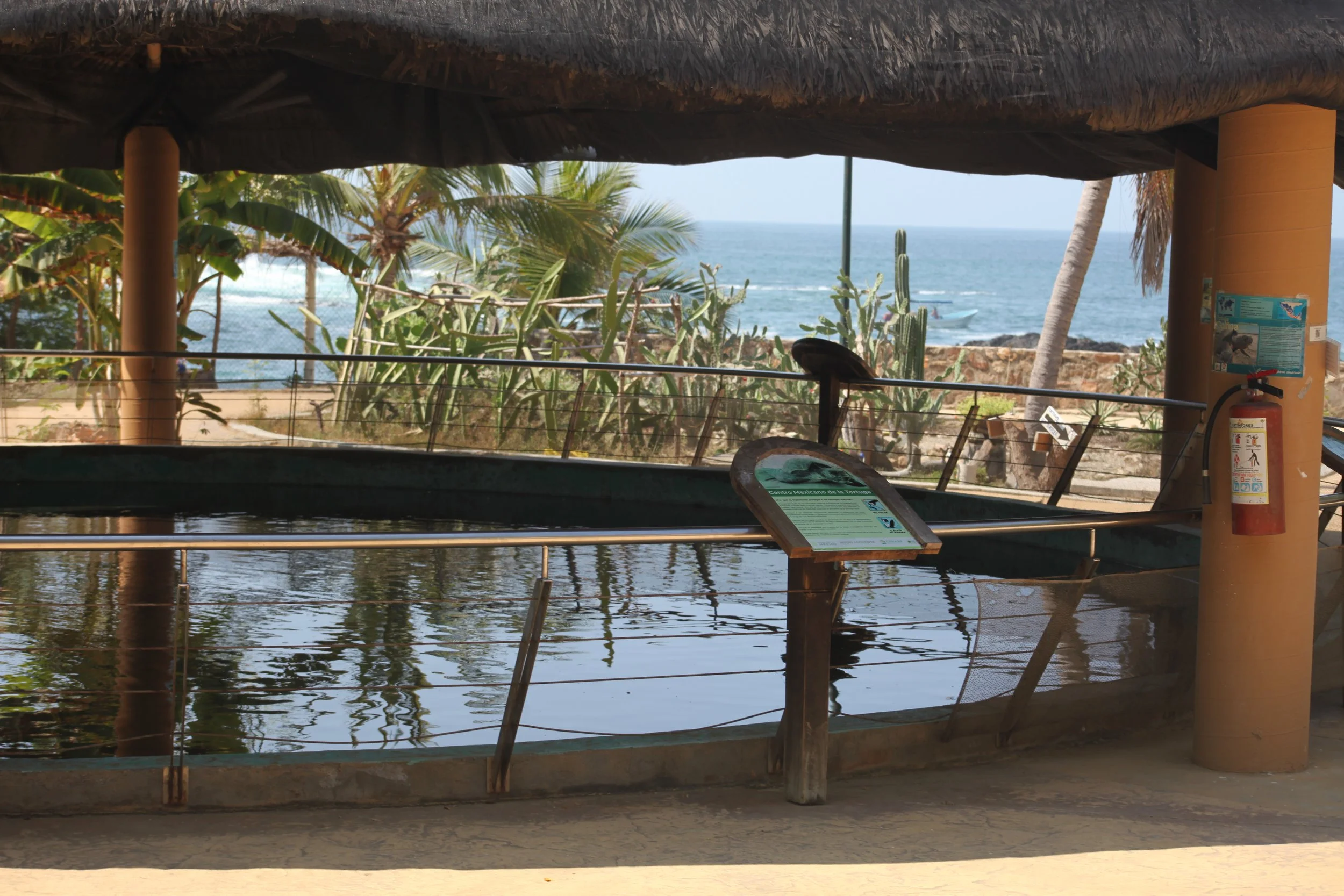
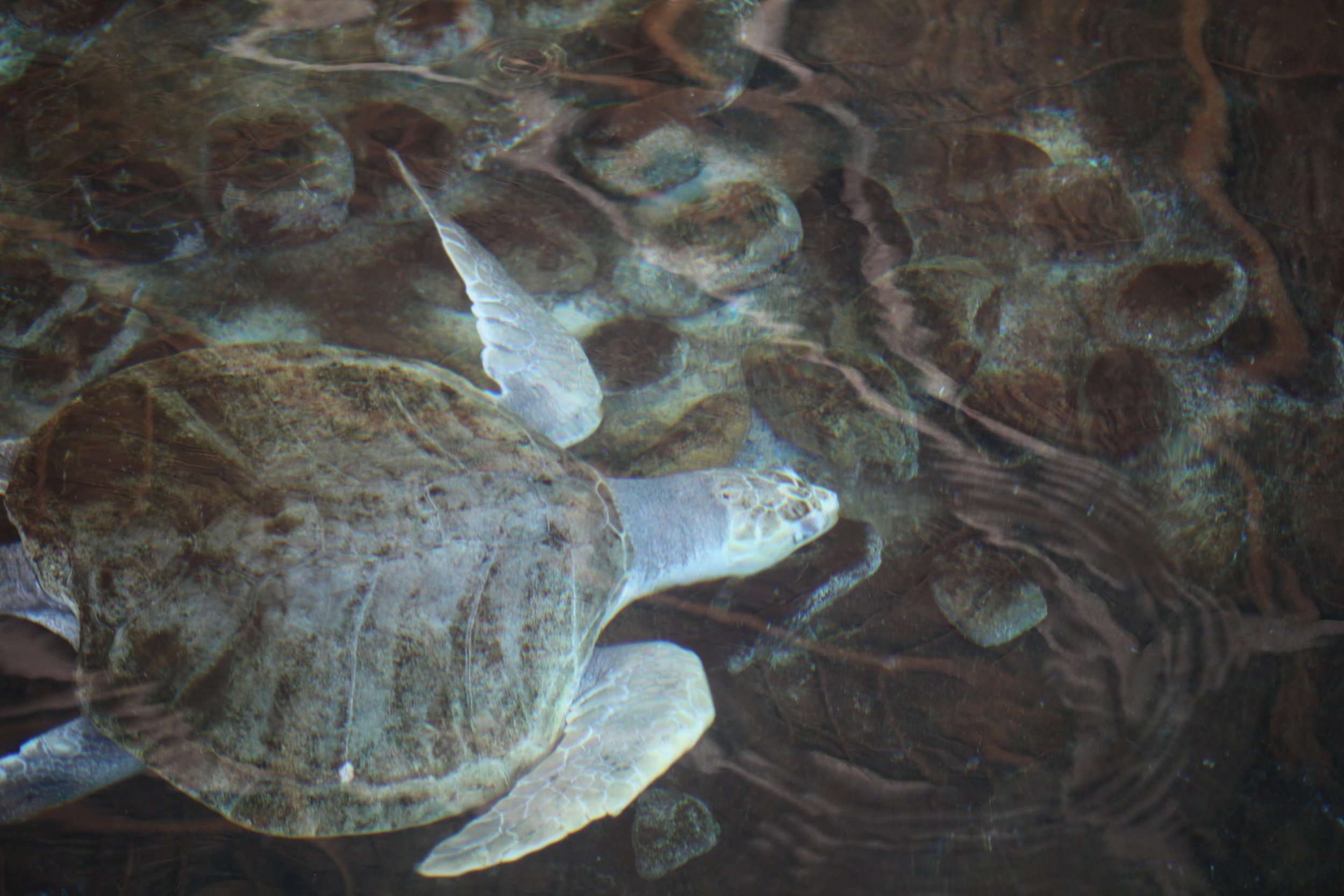
The Mexican Turtle Center is more than a rescue facility. It is core conservation infrastructure for one of the most ecologically significant coastlines in the world. Every turtle rehabilitated, every student educated, every research project supported, and every community partnership formed strengthens the long-term future of Oaxaca's coast.
As development accelerates and environmental pressures intensify, the Center's role becomes more critical — not less. Without investment, its capacity will continue to erode. With timely support, it can once again serve as a model for wildlife rehabilitation, environmental education, and coastal conservation in Mexico.
Protecting Oaxaca's coastline means protecting the people, communities, and institutions that safeguard it every day — and that work cannot wait.
-
![Two women tending to a large turtle on an examination table inside a veterinary clinic, with a person visible outside through the window.]()
-
![A group of baby sea turtles crawling across the sandy beach towards the ocean in the background.]()
-
![A calm body of water reflecting the blue sky and some clouds, with green grass and a fallen tree branch in the foreground, and a distant shoreline with some trees on the right.]()
-
![People exploring an indoor shallow water tank, some collecting rocks or using tools, and two women in the foreground smiling and making peace signs.]()
-
![Turtles resting on the sandy beach during sunset.]()
-
![View of a tropical beach scene through a wooden railing, showing palm trees, cacti, the ocean, and cloudy sky. A thatched roof structure is in the foreground, with informational signs and a fire extinguisher mounted on a pillar.]()
-
![Small jars containing sea creatures on a table, with a sign that reads 'Ostra Marina' and shells and coral in the background.]()
-
![Underwater scene showing rocks and a few small fish swimming in clear water.]()
-
![Footprint on wet sandy beach with small shell nearby and gentle surf washing onto shore.]()
-
![]()
New List Item