Mexican Turtle Center ( CMT)
Mazunte Oaxaca Wildlife Rescue & Animal Hospital
Mexican Turtle Center
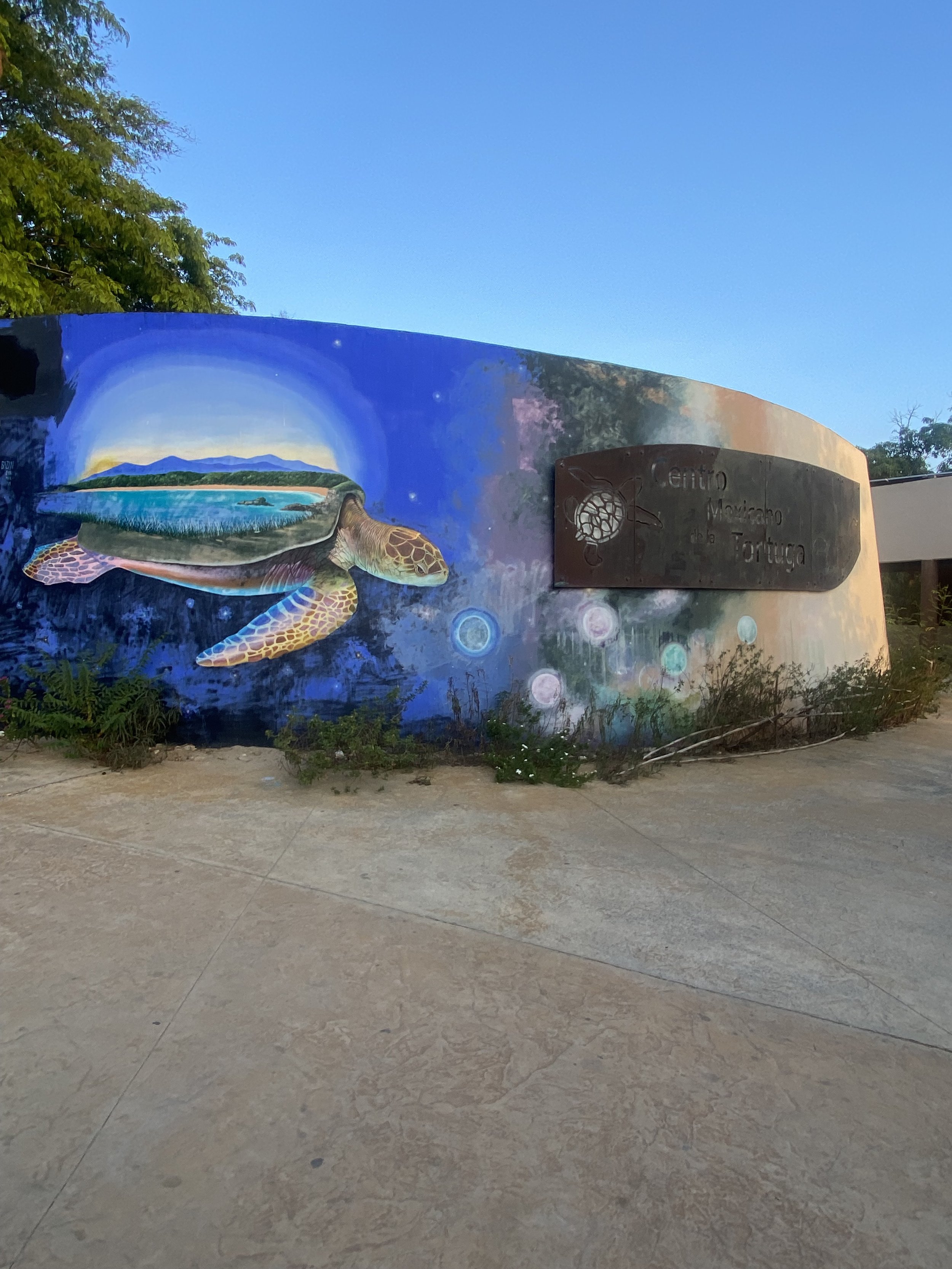
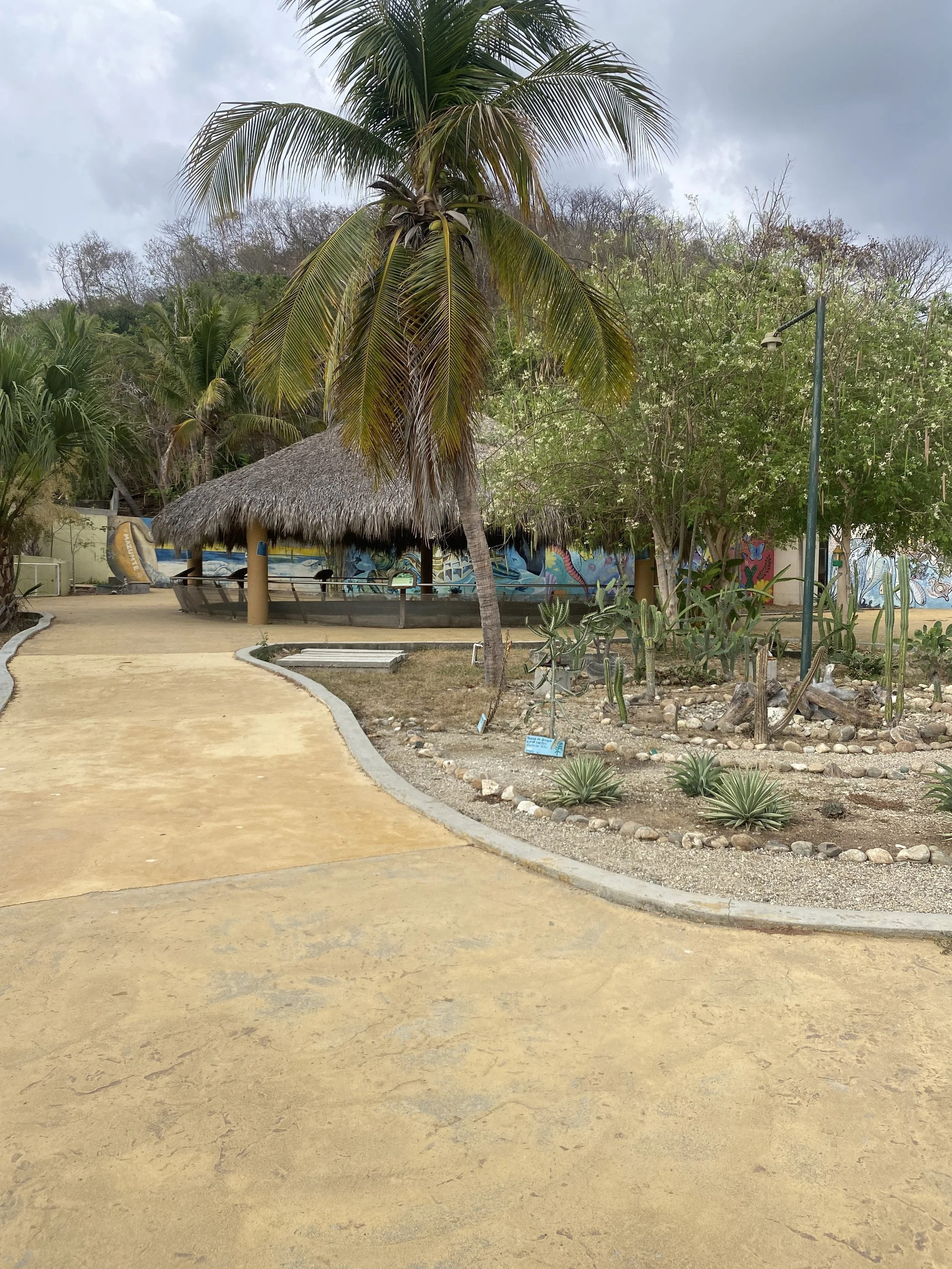
For more than three decades, the Mexican Turtle Center (Centro Mexicano de la Tortuga (CMT) has been at the heart of wildlife rescue, rehabilitation, conservation, and environmental education on the Oaxacan coast.
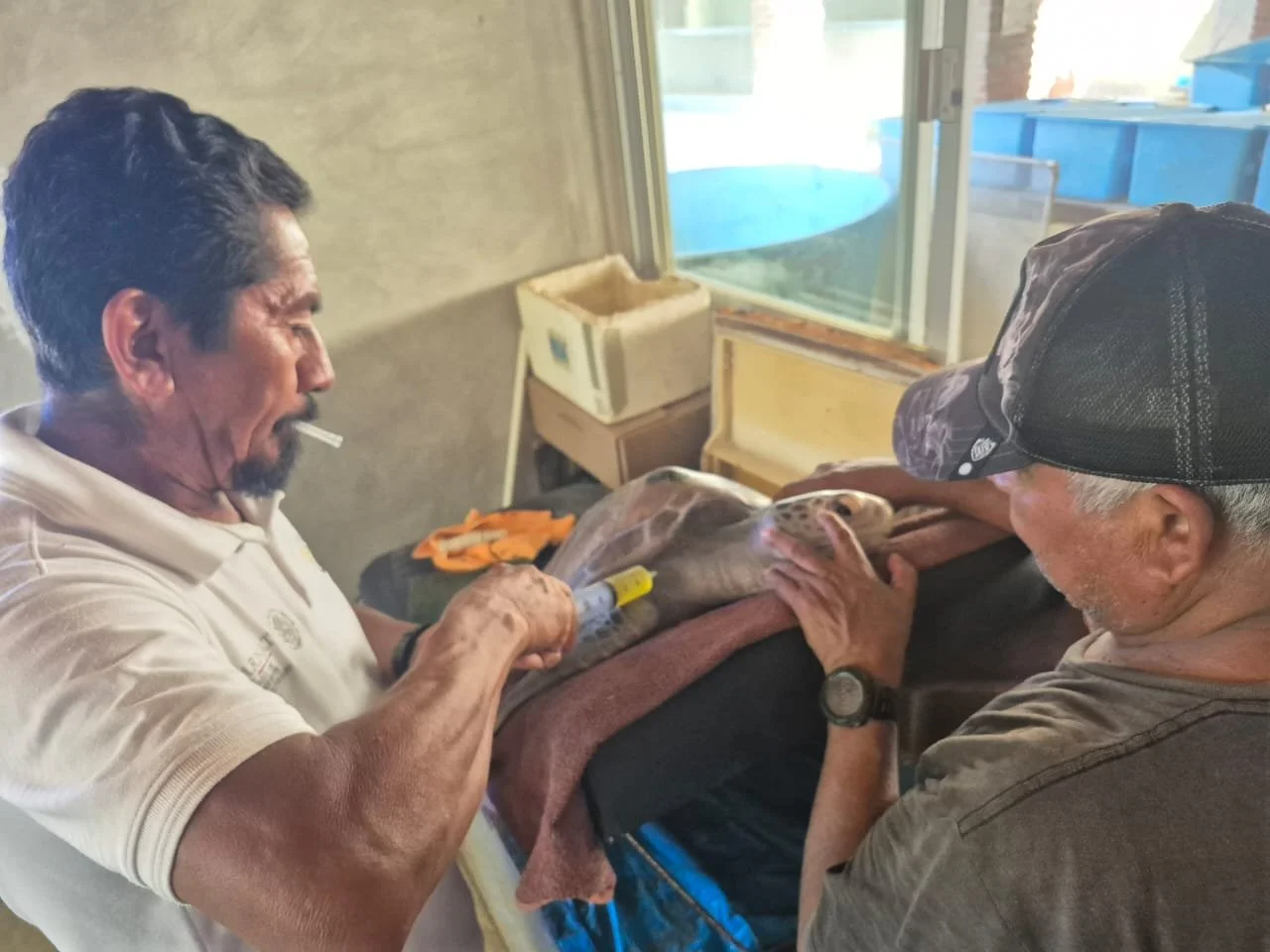
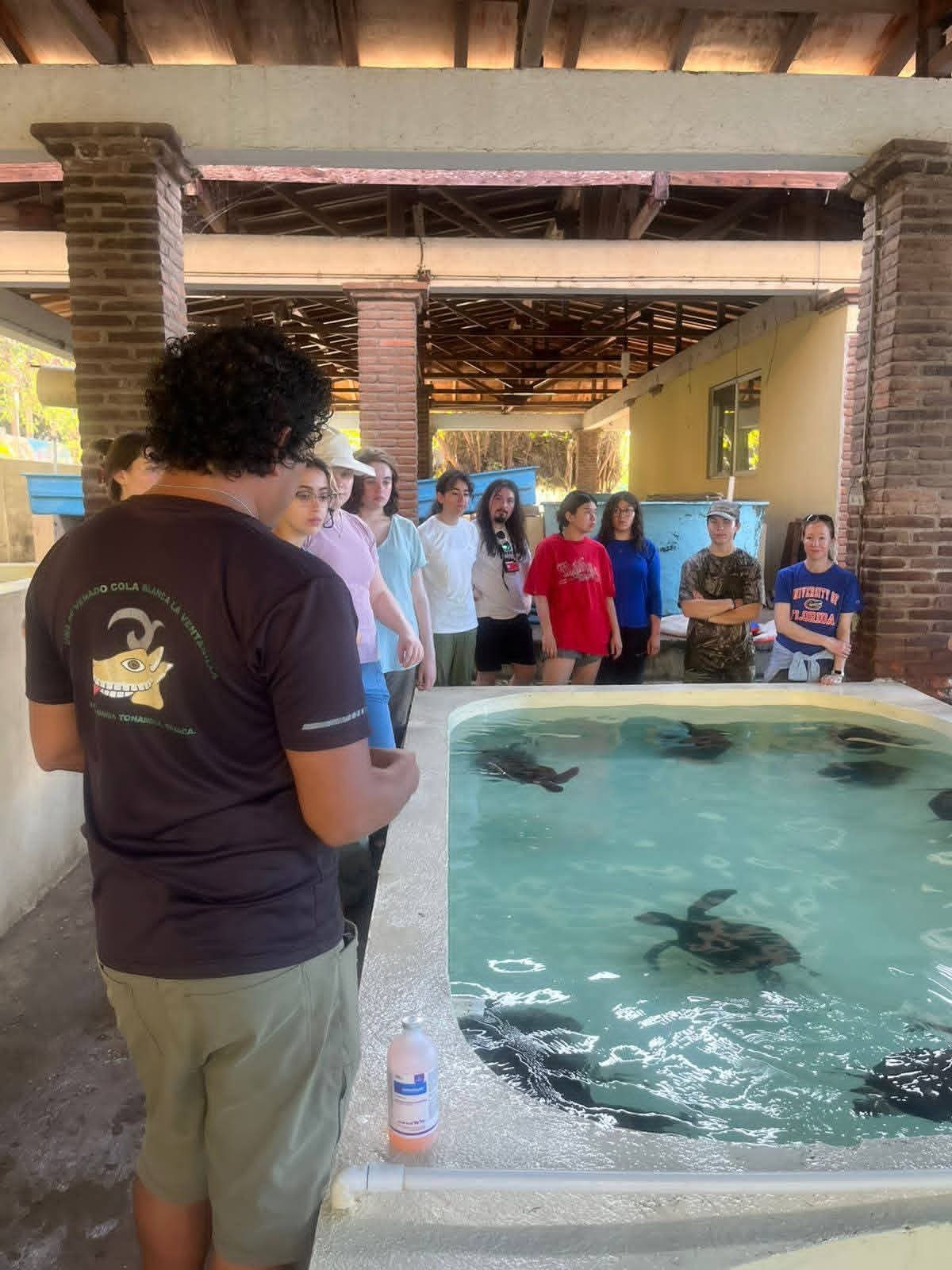
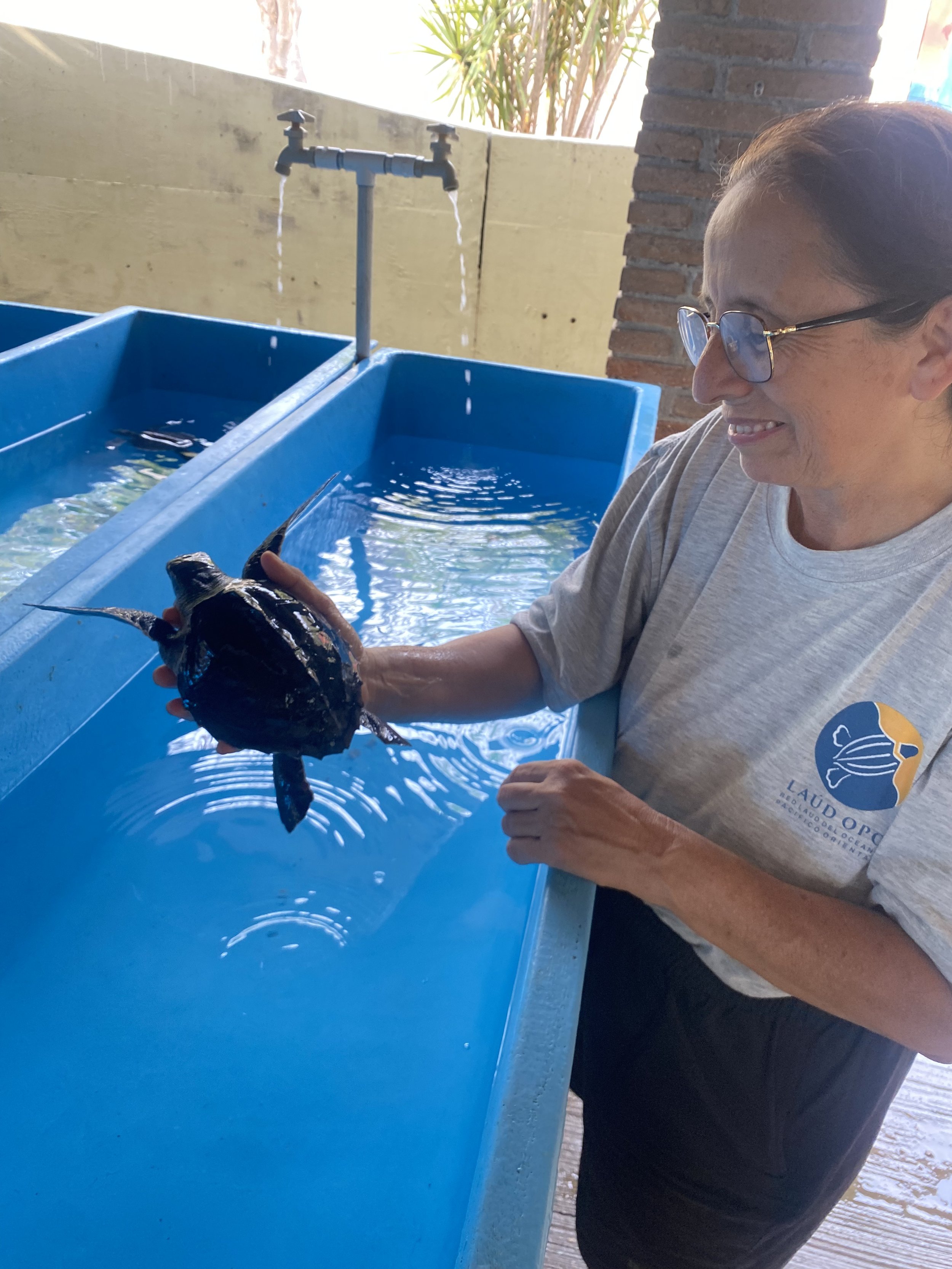
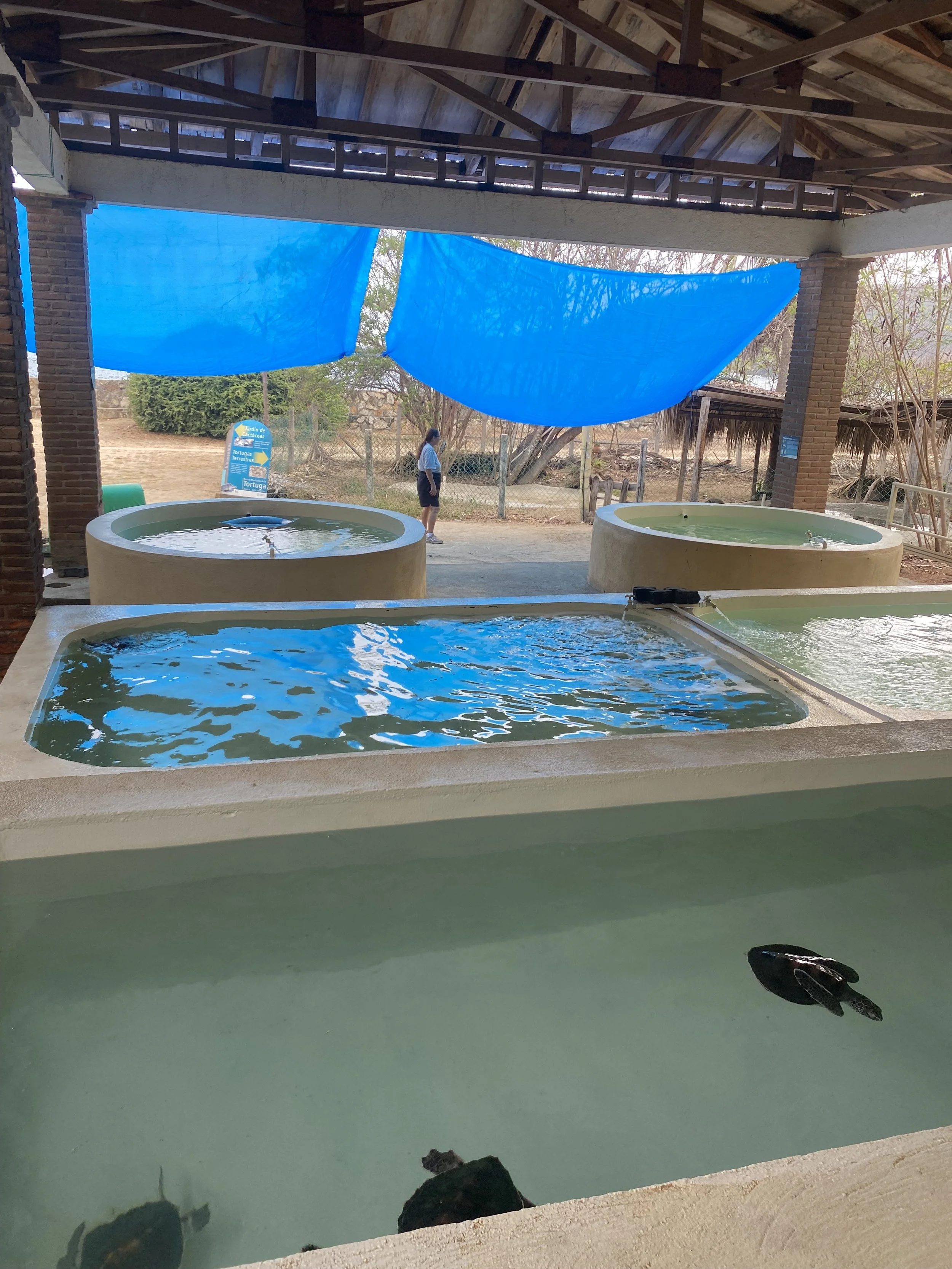
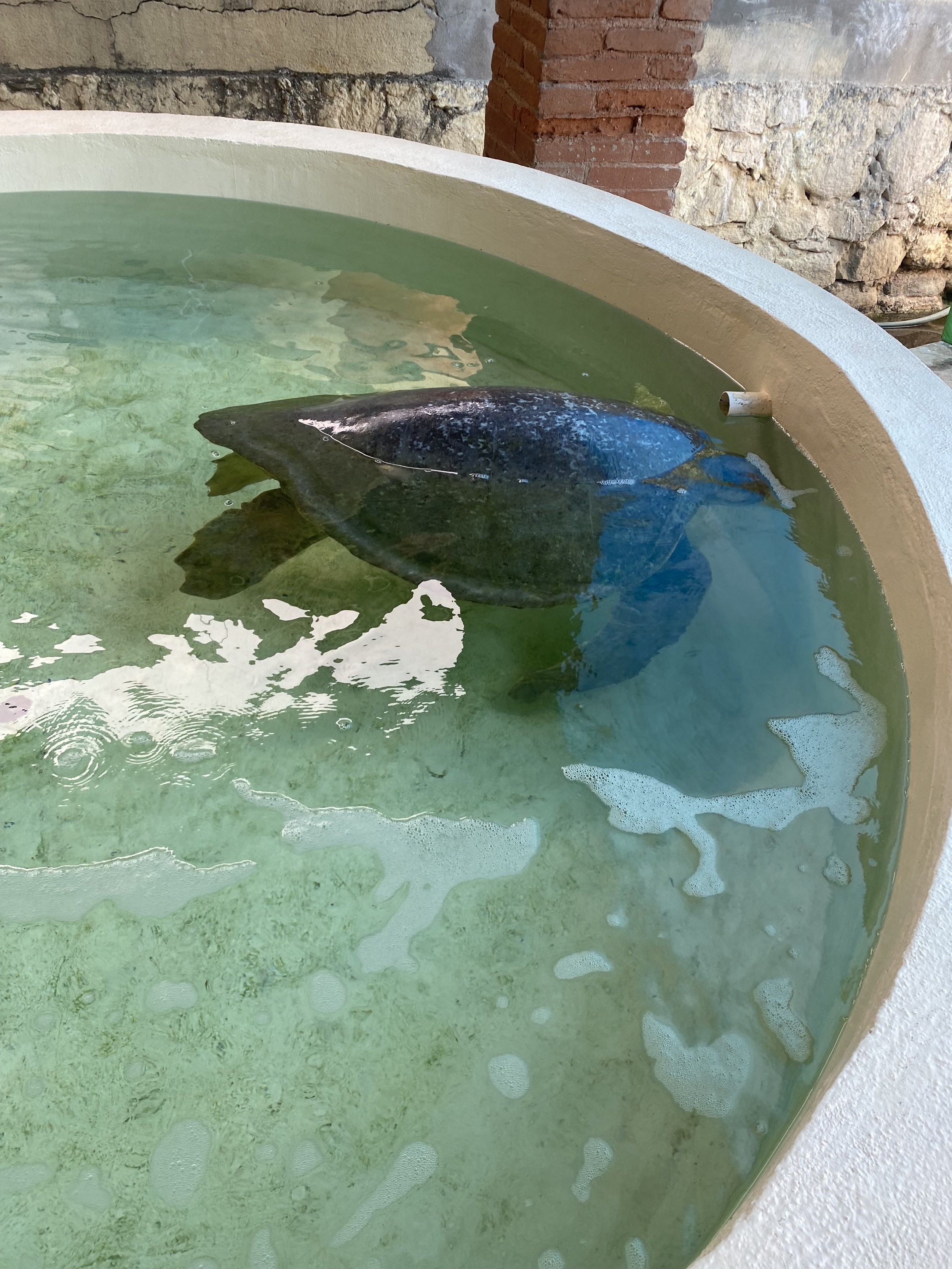
Located in the small beach town of Mazunte, the Center provides care for injured sea turtles, crocodiles, seabirds, reptiles, marine mammals, and other native wildlife. Across hundreds of kilometers of coastline, it remains one of the only facilities equipped to provide specialized veterinary treatment and rehabilitation for wild animals in need.
Since its founding, the Center has rehabilitated and released countless animals back into their natural habitats. Animals that cannot survive independently in the wild receive long-term care and protection. The CMT has also played an important role in environmental education, helping generations of visitors, students, and researchers understand the importance of protecting Mexico's marine and coastal ecosystems.
Today, a team of 24 dedicated wildlife professionals continues this work under increasingly challenging conditions. Despite aging facilities and limited resources, their commitment has enabled the Center to maintain high standards of animal care while continuing to serve as a lifeline for wildlife across the region.
Our Support
We are working alongside the CMT and its local team to strengthen the infrastructure that makes wildlife rescue and rehabilitation possible.
Our work focuses on:
• Preserving and expanding the network of grassroots conservation initiatives the Center helped establish; connecting local communities, researchers, and conservation partners working to protect Oaxaca's coastline
• Improving veterinary facilities, equipment, and medical care
• Modernizing critical wildlife rehabilitation infrastructure
• Increasing rehabilitation success rates and long-term survival
• Ensuring the Center can continue serving wildlife and coastal communities for generations to come
By investing in these essential systems, we help ensure that injured animals receive the care they need. Not only to survive, but to return safely to the wild.
The CMT is more than a wildlife rehabilitation center. For over thirty years, it has served as a cornerstone of conservation on the Oaxacan coast, helping build the relationships, knowledge, and community-led initiatives that protect some of the world's most important sea turtle nesting beaches today.
As Puerto Escondido, Mazunte, and the wider Oaxacan coast continue to grow in popularity, there is a unique opportunity to strengthen one of the region's most important conservation institutions. Together, we can help secure the future of a center that has protected wildlife, educated communities, and inspired conservation for more than three decades.
From Exploitation to Conservation
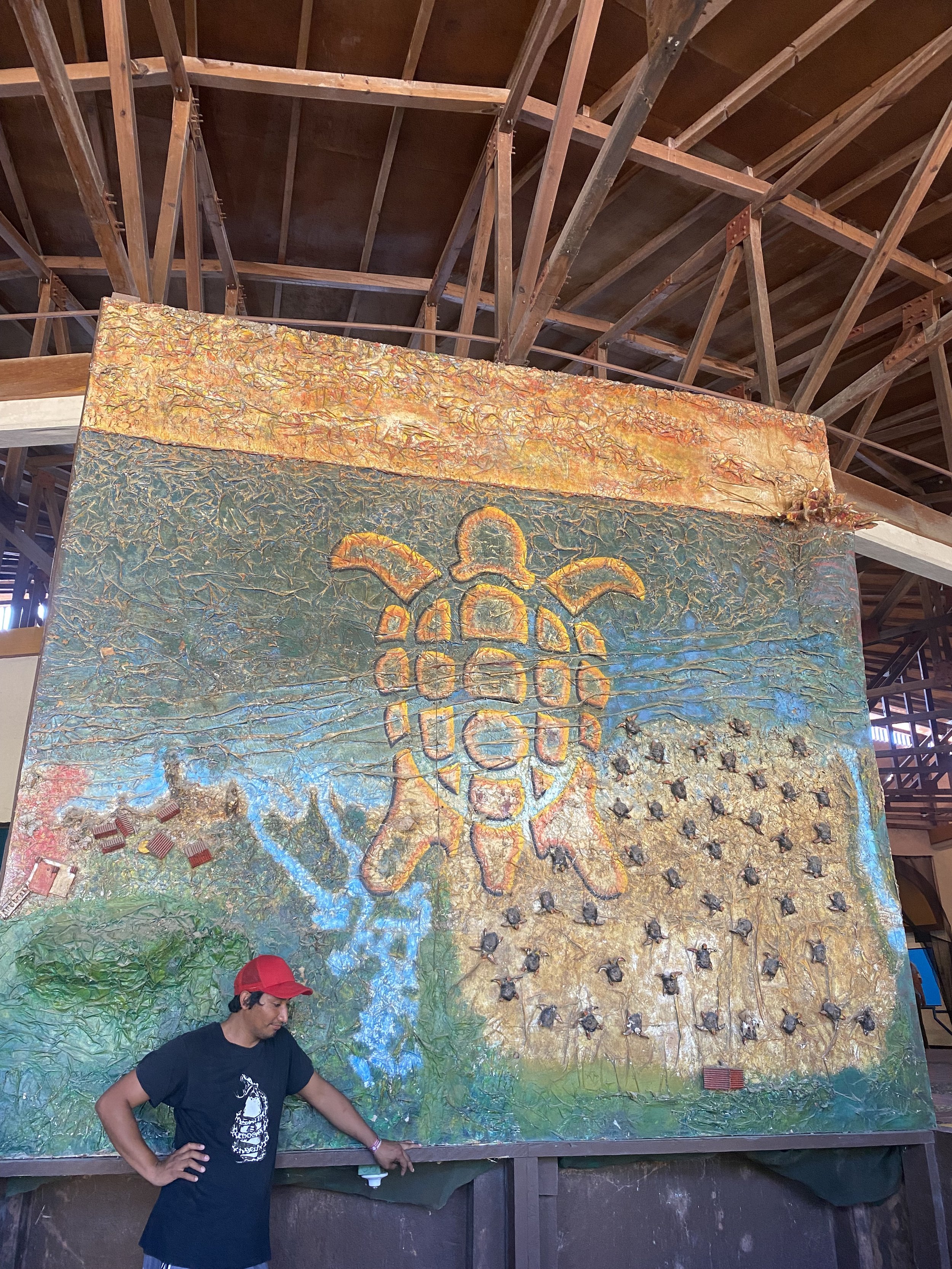
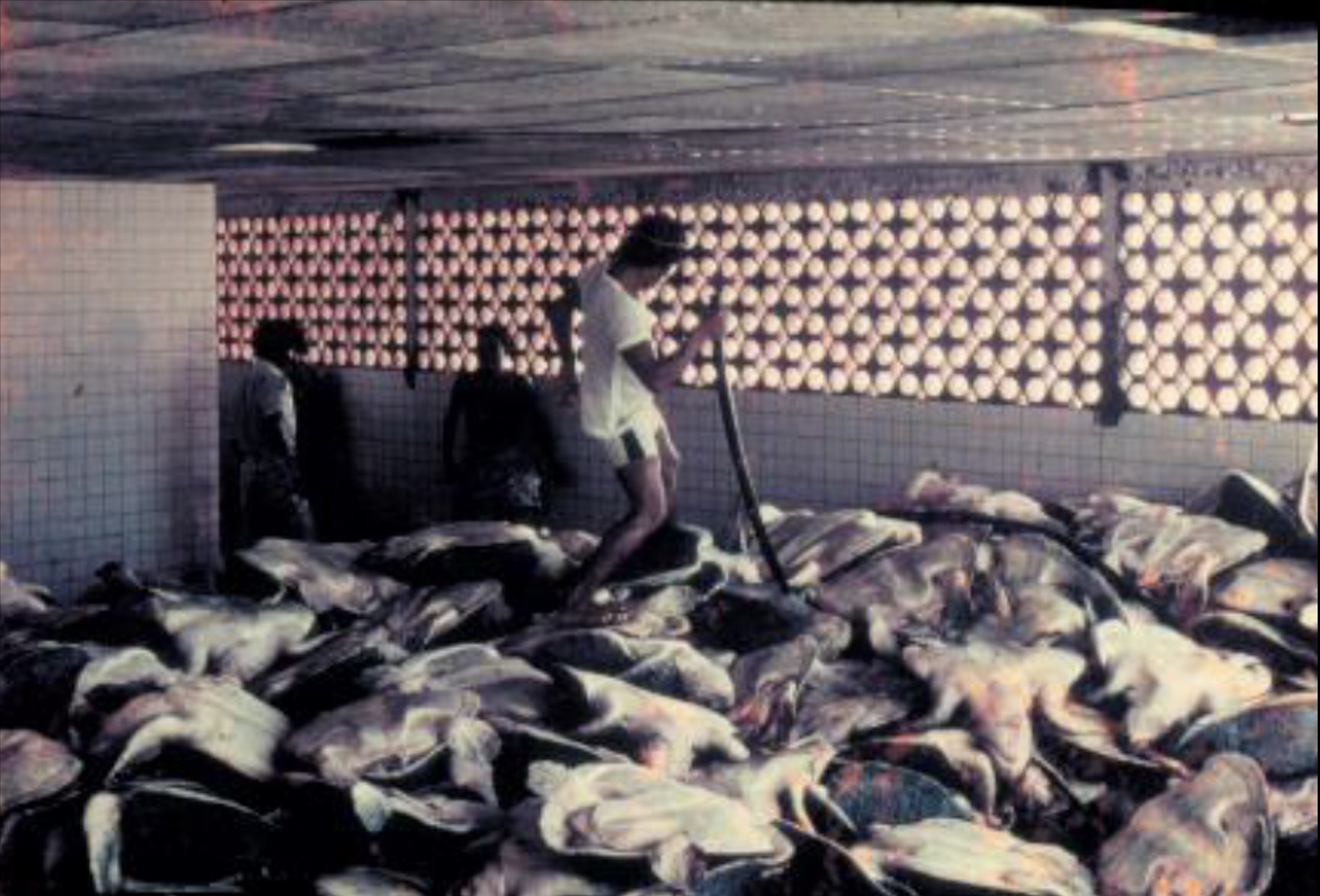
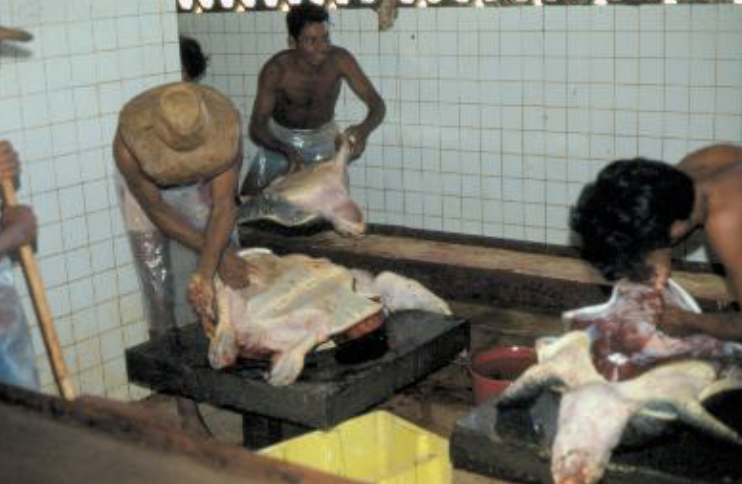
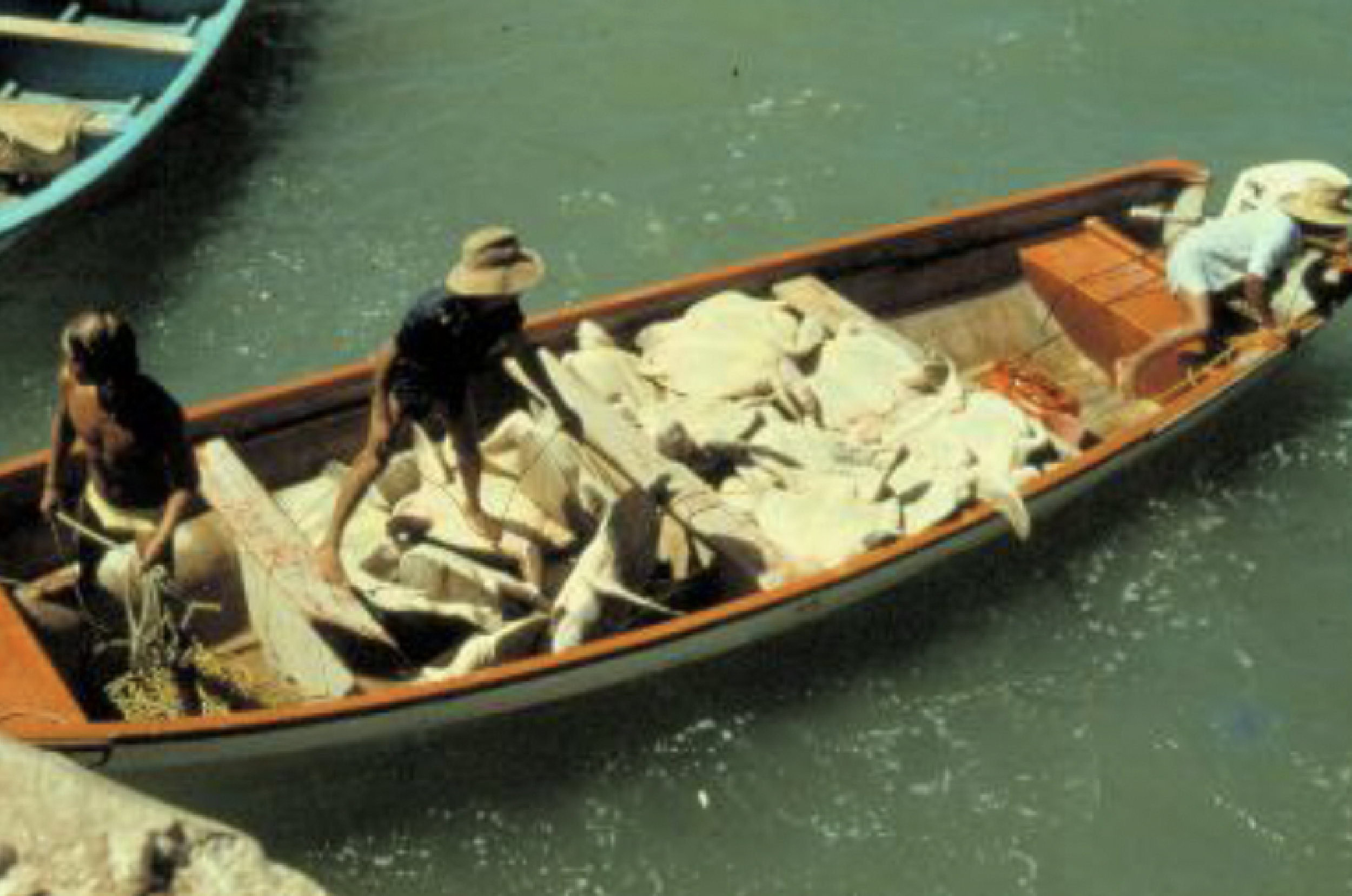
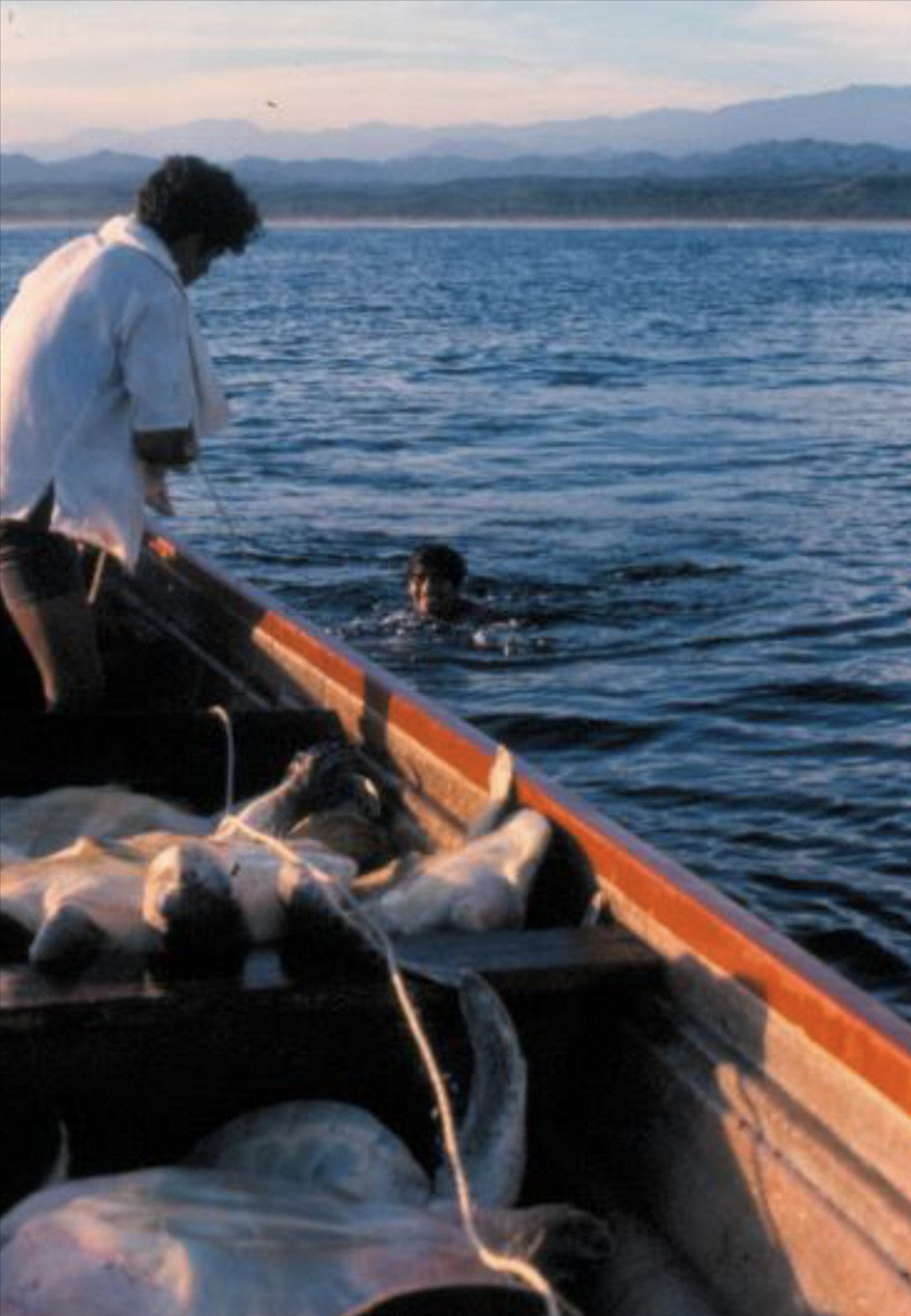
During the 1980s, tens of thousands of East Pacific olive ridley sea turtles were killed each year along the coast of Oaxaca to supply markets for leather, oil, eggs, and meat. At the time, commercial harvesting was widespread and posed a serious threat to turtle populations.
The Turning Point for Sea Turtle Protection
In 1990, Mexico took a major step toward conservation by banning sea turtle harvesting nationwide. The former slaughterhouse in Mazunte was later transformed into the CMT, which today serves as a hub for research, education, and conservation dedicated to protecting sea turtles and marine ecosystems.
This marked a pivotal shift for the region, from exploitation to protection, and helped lay the foundation for the conservation efforts that continue along the Oaxacan coast today.
Challenges Today
Despite its importance, the CMT faces a growing infrastructure crisis.
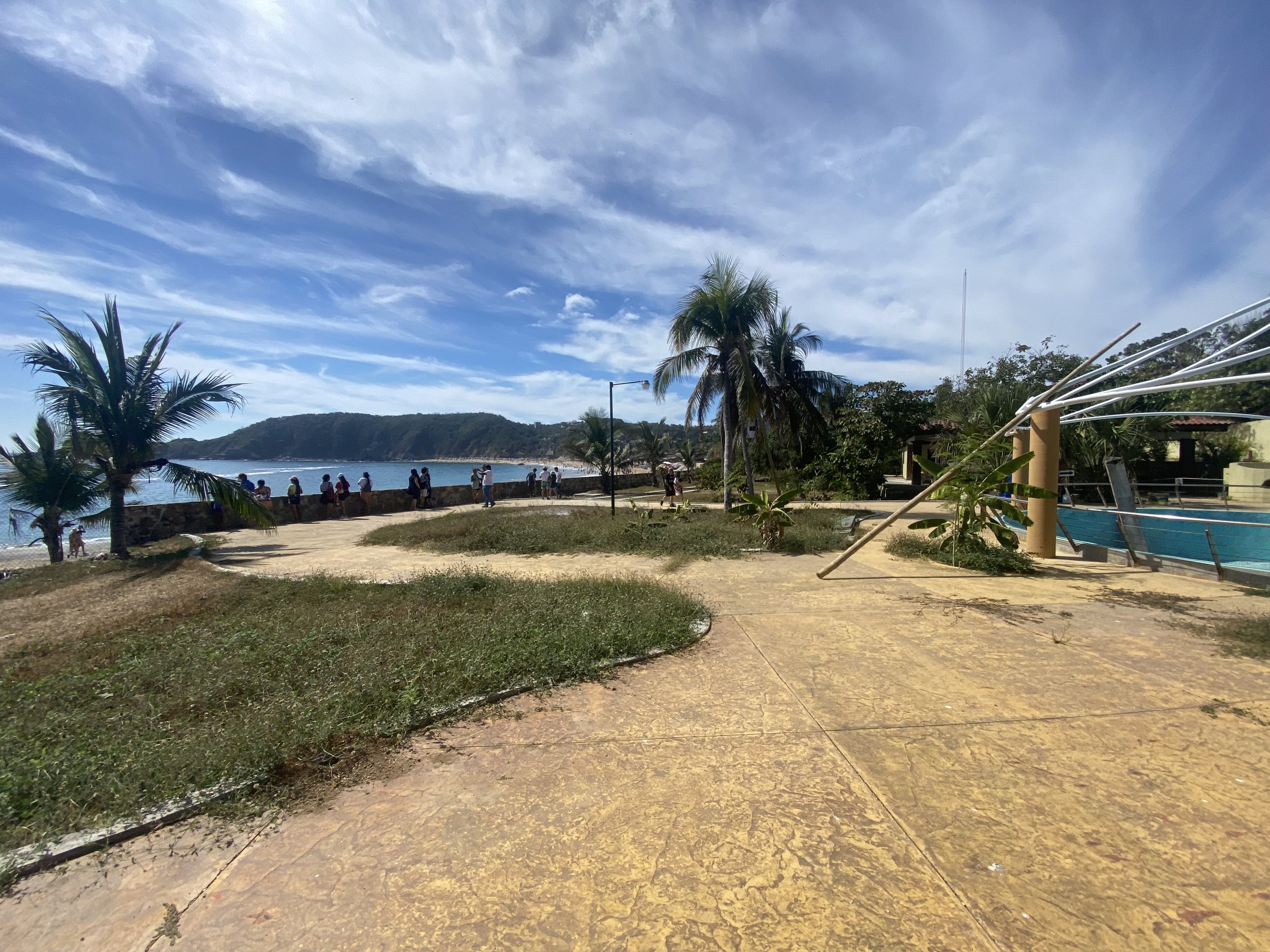
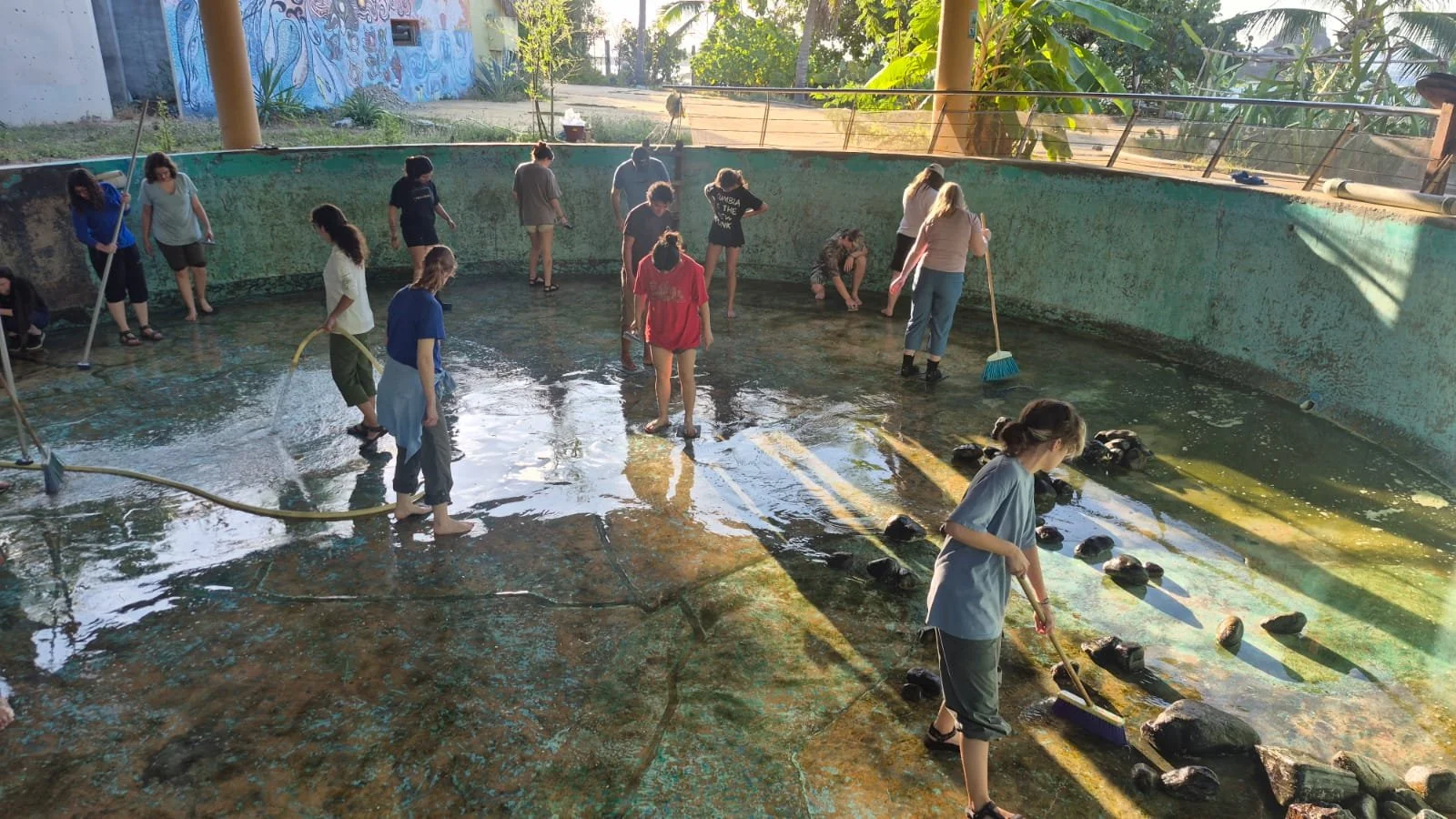
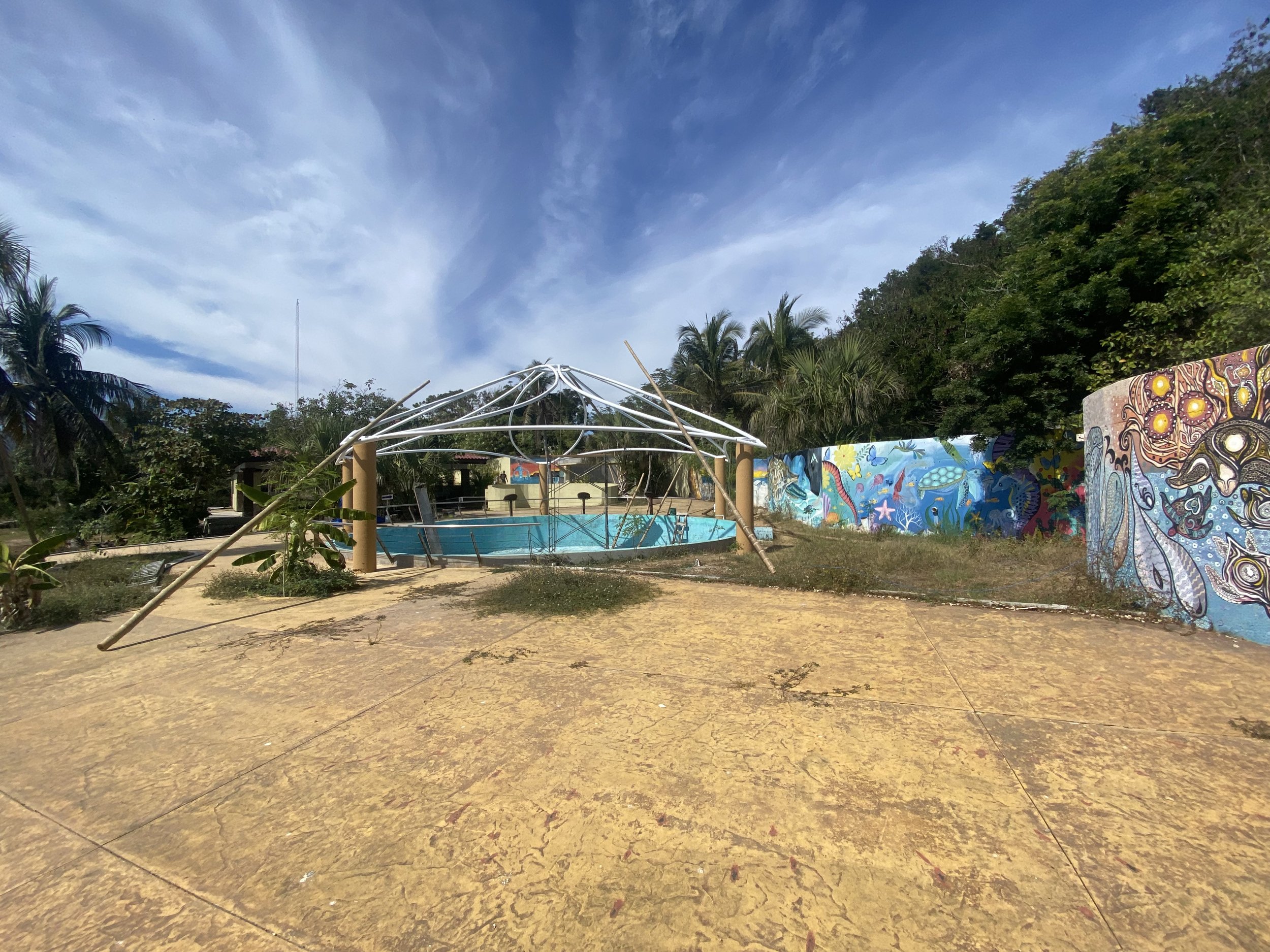
Much of the facility was built between 1991 and 1994 and has endured decades of exposure to salt air, hurricanes, tropical storms, and seismic activity. Years of underinvestment have left critical systems in disrepair, and the Center’s iconic aquarium building has been closed due to structural deterioration and safety concerns.
Although the Center welcomes thousands of visitors each year, it has limited ability to reinvest revenue into its own facilities. Like other federally managed protected areas, admission fees are deposited into the federal treasury and later redistributed through centralized budget processes. As a result, infrastructure needs have continued to grow while investment has failed to keep pace.
At the same time, the Center remains a vital resource for wildlife conservation across the region. Its dedicated team of 24 professionals continues to provide care for injured and rescued sea turtles, crocodiles, seabirds, reptiles, marine mammals, and other wildlife despite aging infrastructure and limited resources. Maintaining this work requires veterinary medicines, specialized equipment, filtration systems, seawater pumps, and ongoing maintenance.
While multiple rehabilitation and modernization plans have been announced over the past two decades, many have yet to materialize. Most recently, a joint investment of 20 million pesos was announced by the Government of Oaxaca and CONANP for the Center’s rehabilitation. The announcement was welcomed, though timelines for implementation and details on fund allocation remain uncertain.
The CMT is more than a wildlife rehabilitation center. It is a cornerstone of conservation on the Oaxacan coast and a living symbol of the region’s transition from exploitation to protection. Together, we can help secure the future of an institution that has protected wildlife, educated communities, strengthened local conservation efforts, and inspired environmental stewardship for more than three decades.
Photos courtesy of the CMT